
Table of Contents
Pico Laser Treatment in Hyderabad: How It Works, What It Treats and What to Expect
Stubborn dark spots, acne marks, uneven tone and open pores are among the most common reasons people look for a skin specialist. For many of these concerns, the pico laser has changed what is possible — delivering faster, safer results with very little downtime.
But what exactly is a pico laser, how is it different from older lasers, and is it right for your skin? In this guide, Dr. Showrya Gadde explains everything you need to know before choosing pico laser treatment in Hyderabad.
What Is a Pico Laser?
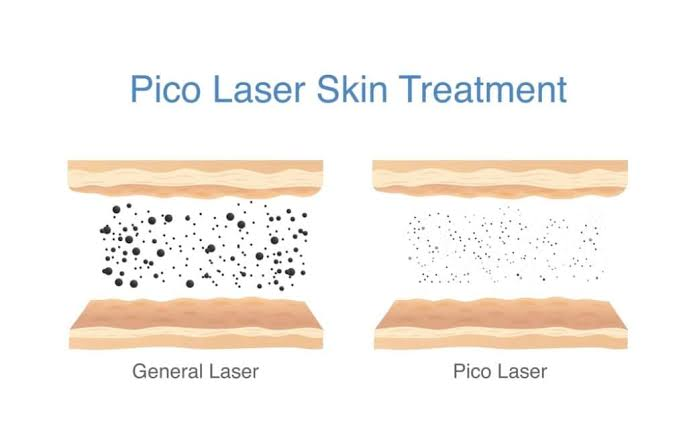
A pico laser is a picosecond laser. It delivers energy in pulses lasting trillionths of a second — a picosecond is one-trillionth of a second.
This speed is what makes it special. Instead of slowly heating the pigment, the ultra-short pulses create a pressure wave, known as a photoacoustic effect. This shatters pigment into tiny, dust-like particles. Your body’s natural clearing system then removes those particles over the following weeks.
Because the energy is delivered so quickly, very little heat spreads to the surrounding skin. Less heat means less inflammation, less discomfort and a lower risk of side effects.
Pico Laser vs Traditional Q-Switched Laser
For years, Q-switched (nanosecond) lasers were the standard for pigmentation. Pico lasers are the next generation.
| Feature | Q-switched laser | Pico laser |
|---|---|---|
| Pulse duration | Nanoseconds (billionths of a second) | Picoseconds (trillionths of a second) |
| How it breaks pigment | Mainly heat | Mainly pressure (photoacoustic) |
| Pigment particle size | Larger fragments | Much finer particles |
| Heat to surrounding skin | Higher | Lower |
| Risk of post-laser darkening | Higher in Indian skin | Lower |
| Sessions usually needed | More | Fewer |
| Downtime | Mild | Minimal |
This does not mean older lasers are obsolete. But for Indian skin, which tends to darken after heat or inflammation, the lower-heat approach of a pico laser is a real advantage.
What Can a Pico Laser Treat?
One of the biggest strengths of a pico laser is its versatility. With different handpieces and settings, a single platform can treat several concerns.
1. Pigmentation and dark spots
Sun spots, freckles, age spots and general uneven tone respond very well. This is the most common reason patients choose pico laser for pigmentation.
2. Melasma
Melasma is chronic and sensitive to heat, so it needs a careful approach. Pico laser at low, controlled settings can be an effective part of a combined melasma plan, often alongside a Cosmelan peel and prescription creams.
3. Acne marks and post-inflammatory hyperpigmentation
The dark marks left behind after pimples fade faster with pico laser than with creams alone.
4. Acne scars, open pores and texture
Using a special fractional handpiece, the pico laser creates tiny zones of controlled micro-injury beneath the skin surface. This triggers new collagen, gradually softening acne scars, tightening pores and smoothing texture — while the surface stays largely intact.
5. Tattoo removal
Pico lasers break tattoo ink into much finer particles than older lasers, which usually means fewer sessions and better clearance, including for darker inks.
6. Skin rejuvenation and glow
Low-energy pico sessions brighten dull skin, refine texture and improve overall radiance — a popular choice before weddings and events.
Is Pico Laser Safe for Indian Skin?
Yes, when performed by a qualified dermatologist with the right settings. Indian skin (Fitzpatrick types III–V) has more active pigment cells, which is why aggressive heat-based treatments can sometimes cause rebound darkening. The pico laser’s lower-heat mechanism reduces this risk significantly.
Safety still depends on the person operating the device. Correct diagnosis, test spots where needed and conservative settings are what separate good results from complications.
Who should wait before treatment?
- If you have a fresh tan or recent heavy sun exposure
- If you have an active skin infection, cold sore or open wound in the area
- If you are pregnant
- If you have taken oral isotretinoin for acne recently
- If you have a history of keloids or very sensitive skin — discuss this at consultation
What Happens During a Pico Laser Session?
- Consultation and skin analysis: Your dermatologist examines the concern, checks pigment depth and decides the right handpiece and settings.
- Preparation: The skin is cleansed. A numbing cream may be applied for 30–45 minutes for comfort, especially for scars or tattoos.
- Treatment: Protective eyewear is worn. The laser is passed over the area in a set pattern. Most patients feel a mild snapping or warm tingling sensation.
- Soothing: A calming gel, cooling and sunscreen are applied at the end.
The treatment itself usually takes 15–30 minutes, and you can return to work the same day.
Recovery and Aftercare
Mild redness and warmth typically settle within a few hours. Treated dark spots may look slightly darker for a few days, then flake off naturally over 5–7 days. After fractional sessions for scars, redness can last 1–2 days.
For the best results:
- Apply a broad-spectrum sunscreen of SPF 30 or more every day, and reapply when outdoors
- Use a gentle cleanser and moisturiser for the first few days
- Avoid scrubs, peels, retinoids and strong actives for about a week, unless your dermatologist says otherwise
- Do not pick at flaking spots
- Avoid saunas, steam and intense workouts for 24–48 hours
How Many Sessions Will I Need?
The number of sessions depends on what is being treated and how deep it is.
| Concern | Typical sessions | Gap between sessions |
|---|---|---|
| Sun spots and freckles | 1–3 | 3–4 weeks |
| Acne marks and uneven tone | 3–5 | 3–4 weeks |
| Melasma (as part of a combined plan) | 4–8 | 2–4 weeks |
| Acne scars, pores and texture | 3–6 | 4–6 weeks |
| Tattoo removal | Varies by ink, size and age | 6–8 weeks |
Many patients notice brighter, clearer skin after the first session. Collagen-based improvements in scars and texture build gradually and continue for 3–6 months after the final session.
Common Myths About Pico Laser
Myth: Laser thins the skin. Pico laser does not thin the skin. Fractional pico treatments actually stimulate new collagen, which strengthens skin over time.
Myth: Laser is very painful. Most patients describe it as mildly uncomfortable at most. Numbing cream makes it easy to tolerate.
Myth: Results are permanent with no care needed. Removed pigment does not come back by itself, but new pigmentation can form with sun exposure, hormones or inflammation. Sun protection protects your results.
Myth: Any clinic’s laser gives the same result. The device, its settings and the experience of the doctor operating it all decide your outcome and your safety.
Why Choose Dr. Showrya Gadde for Pico Laser in Hyderabad?
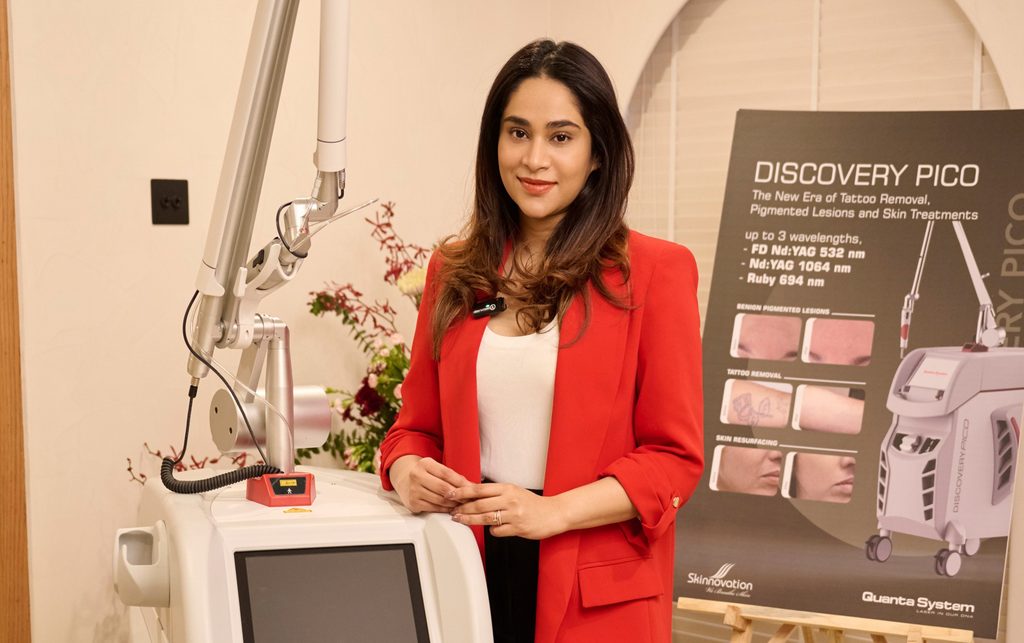
Dr. Showrya Gadde (MBBS, MD Dermatology) is a board-certified dermatologist and fellowship-trained aesthetic clinician in Kondapur. Pico laser is one of the treatments she is best known for, performed on an advanced, world-class picosecond laser platform.
Every plan begins with digital skin analysis to identify pigment depth, scarring and skin sensitivity before treatment. Settings are customised for Indian skin, and pico laser is combined with peels, medical creams or other procedures when that gives a better result.
Patients visit from Kondapur, Hitec City, Gachibowli, KPHB Colony, Kukatpally and Manikonda.
Book your pico laser consultation: Call or WhatsApp +91 75997 41111 or book an appointment online.
Clinic hours: Monday – Saturday, 10 AM – 7 PM
Frequently Asked Questions
1. Is pico laser painful? Most people feel only a mild snapping sensation. Numbing cream is used for more sensitive areas, scars and tattoos.
2. How soon will I see results from pico laser? Pigmentation often looks lighter within 1–2 weeks of a session. Scar and texture improvements build over several months as new collagen forms.
3. Is pico laser better than Q-switched laser? Pico lasers use shorter pulses and less heat, which usually means finer pigment clearance, fewer sessions and a lower risk of post-laser darkening in Indian skin.
4. Can pico laser remove acne scars? Yes. With a fractional handpiece, pico laser stimulates collagen to soften acne scars, refine pores and smooth texture. Deep scars may need a combination of treatments.
5. Is there any downtime after pico laser? Downtime is minimal. Redness usually settles within hours, and most patients return to work the same day.
6. What is the cost of pico laser treatment in Hyderabad? Cost depends on the concern, the area treated and the number of sessions needed. You will receive an exact estimate after your consultation and skin analysis.
Medical disclaimer: This article is for educational purposes and does not replace a personal consultation. Results vary from person to person. Please consult a us before starting any treatment.

Dr. Showrya Gadde, MBBS, MD (Dermatology), is a board-certified dermatologist and fellowship-trained aesthetic clinician in Kondapur, Hyderabad. She is best known for pico laser, Cosmelan peel, Botox and acne scar treatments. Every treatment she offers is evidence-based and customised for Indian skin.