Table of Contents
Adult Acne Treatment in Hyderabad: Causes, Acne Marks, and When to See a Dermatologist
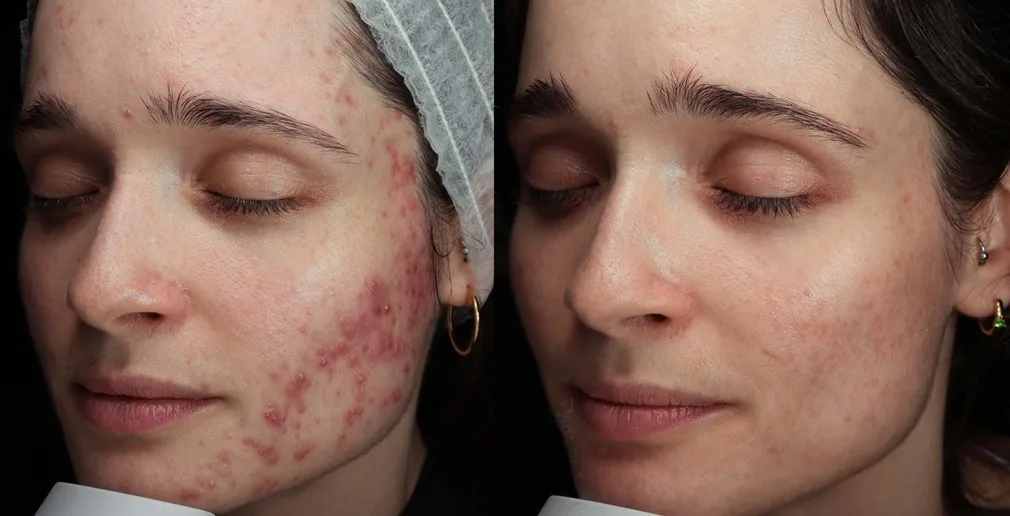
Experiencing persistent breakouts well into your 20s, 30s, or 40s is an extraordinarily common and frustrating concern among Indian women and men. Many working professionals across Telangana find themselves searching for reliable adult acne treatment in Hyderabad after discovering that teenage acne remedies fail to control adult breakouts. Unlike teenage acne, which typically concentrates on the forehead and nose, adult acne frequently manifests as painful, deep-seated nodules along the lower face, jawline, and neck.
Adult acne is not merely a cosmetic inconvenience or a result of poor hygiene; it is a chronic inflammatory skin condition closely tied to internal hormonal signaling, stress pathways, and environmental factors. In Indian skin, every inflamed pimple carries a high risk of leaving behind stubborn dark spots (post-inflammatory hyperpigmentation) or permanent textural scars. Understanding the underlying drivers of adult breakouts is the first step toward achieving long-term skin health.
What is Adult Acne?
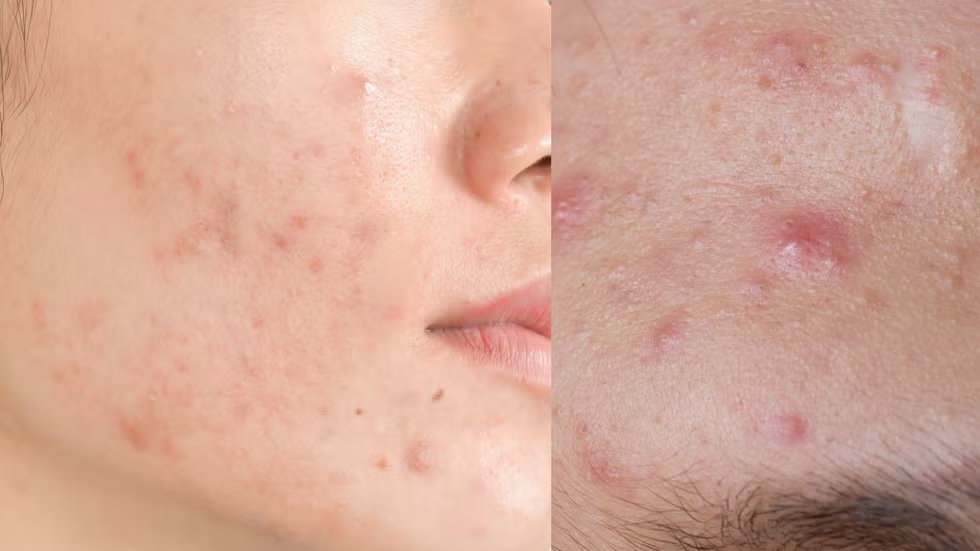
Adult acne (Acne Vulgaris, ICD-10: L70.0) is a chronic inflammatory skin disease affecting individuals aged 25 and older. Characterized by deep papules, pustules, and comedones primarily localized to the U-zone (jawline, chin, and neck), it is driven by hormonal fluctuations, excess sebum production, follicular hyperkeratinization, and Cutibacterium acnes bacterial proliferation.
Adult Female Acne: Causes, Development & Dark Marks
Adult female acne can develop through a combination of hormonal influences, excess oil production, clogged pores, and inflammation. In some people, acne also leaves persistent dark marks called post-inflammatory hyperpigmentation (PIH).
How Adult Female Acne Develops
1. Internal and Hormonal Influences
Androgen sensitivity, possible PCOS, and stress-related factors
2. Increased Oil Production
Sebaceous glands produce more oil, or sebum composition changes.
3. Pores Become Blocked
Dead skin cells and sebum accumulate inside hair follicles, forming comedones.
4. Inflammation Develops
Interactions with Cutibacterium acnes and the immune response contribute to inflamed lesions.
5A. Inflammatory Acne
Deep, tender nodules and recurring breakouts, often around the chin and jawline.
5B. Post-Acne Dark Marks
Inflammation stimulates pigment production, potentially leaving dark marks that last for months.
Why Does Adult Acne Affect Indian Skin Specifically?
Evaluating adult acne care requires examining the unique anatomical and physiological characteristics of Indian skin. Native complexions generally fall between Fitzpatrick Scale Types III and V. This skin classification features larger, highly active melanocytes—the pigment-producing cells located in the basal layer of the epidermis.
Lighter Skin
Often Fitzpatrick types I–II
- Generally lower baseline melanin
- Higher tendency to sunburn
- PIH can occur, but may be less common
Darker Skin
Often Fitzpatrick types IV–VI
- Generally higher baseline melanin
- Lower average tendency to sunburn
- Greater risk of noticeable or persistent PIH
When an acne lesion becomes inflamed, the surrounding tissue experiences cellular trauma. In Fitzpatrick Types III–V skin, this inflammation stimulates adjacent melanocytes, leading to post-inflammatory hyperpigmentation (PIH). Consequently, even a mild acne papule can leave a dark brown spot that persists for several months after the active lesion has healed.
Regional lifestyle and climate factors in Hyderabad significantly compound adult acne severity:
- High Ambient Humidity and Pollution: During Hyderabad’s hot summers and monsoons, atmospheric dust and industrial pollutants mix with sweat and natural sebum. This mixture forms an occlusive layer over pores, trapping bacteria and accelerating comedonal acne.
- IT Corridor Workplace Stress: The tech-heavy work environment in hubs like HITEC City, Gachibowli, and Kondapur involves extended working hours, shift work, and high stress. Chronic stress elevates circulating cortisol, which directly binds to sebaceous gland receptors and increases oil production.
- High-Glycemic Dietary Patterns: Urban dietary habits rich in refined carbohydrates, dairy, and high-sugar foods increase circulating Insulin-like Growth Factor 1 (IGF-1), stimulating sebum production and follicular keratinization.
What Causes Adult Acne in Indian Women and Men?
Adult breakouts rarely stem from a single trigger. Clinical studies highlight six primary evidence-based factors that drive persistent adult acne:
- Hormonal Imbalances and Androgen Sensitivity: Fluctuations in circulating androgens (such as testosterone and DHEA-S) stimulate sebocytes (oil-producing cells) to increase lipid synthesis. Conditions like Polycystic Ovary Syndrome (PCOS, ICD-10: E28.2) frequently cause persistent lower-face acne accompanied by irregular cycles or facial hair growth.
- Occupational Stress and Cortisol Elevation: Stress triggers the adrenal glands to release cortisol and corticotropin-releasing hormone (CRH). These signaling molecules activate sebaceous gland receptors, altering sebum composition and increasing cutaneous inflammation.
- Cosmetic-Induced Acne (Acne Cosmetica): Heavy, occlusive night creams, liquid foundations, or traditional hair oils applied to the scalp can migrate to the forehead and cheeks, physically blocking follicular orifices.
- Disrupted Skin Barrier from Over-Exfoliation: Using harsh physical scrubs, high-concentration exfoliating acids, or cleansing brushes damages the epidermal lipid barrier. The skin responds to this dehydration with rebound hyper-seborrhea, worsening breakouts.
- Dietary Insulin Spikes: Diets high in refined sugar, fast food, and dairy products cause rapid spikes in serum insulin. Elevated insulin increases androgen bioactivity, worsening pore congestion.
- Medication-Induced Breakouts: Specific systemic medications—including oral corticosteroids, certain psychiatric drugs, high-dose B-vitamin supplements (B12), and anabolic agents—can trigger monomorphic acneform eruptions.
How Does Adult Acne Look and Feel?
Distinguishing adult acne from teenage breakouts or mimicking skin conditions helps ensure an accurate diagnosis:
- Lower Face and U-Zone Localization: Adult acne typically concentrates along the chin, jawline, upper neck, and lower cheeks, forming a distinct “U-shape” distribution.
- Deep, Tender Inflammatory Nodules: Lesions often present as deep, painful red bumps beneath the skin surface that rarely come to a clear whitehead, making them difficult to drain naturally.
- Premenstrual Flare-Ups: In women, breakouts frequently worsen 7 to 10 days before the onset of menstruation, correlating with hormonal shifts during the luteal phase.
- Co-existence of Dryness and Oiliness: Adult skin often exhibits a compromised barrier, presenting dry, flaking surface areas alongside congested, oily pores (combination skin).
- Persistent Post-Acne Dark Marks: Resolved inflammatory papules leave behind flat, dark brown macules (PIH) that linger long after the initial swelling subsides.
What Can Make Adult Acne Worse in Indian Skin?
Well-intentioned home remedies and skincare habits can unintentionally aggravate inflammation and accelerate dark mark formation:
Common Adult Acne Triggers: What to Avoid
Some everyday habits can worsen acne, irritate the skin, or make dark marks (post-inflammatory hyperpigmentation or PIH) more noticeable.
Daily skincare checklist — tick the habits you want to avoid.
Squeezing or Popping Pimples
Can increase inflammation and raise the risk of scarring and dark marks.
Applying Heavy Hair Oils
Oily hair products can clog pores around the hairline and forehead in some people.
Using Harsh Kitchen Remedies
Raw lemon juice and baking soda can irritate the skin and damage its protective barrier.
Scrubbing with Abrasive Products
Walnut and apricot scrubs can cause friction and worsen irritation.
Skipping Sunscreen
Sun exposure can make acne-related dark marks more noticeable or longer-lasting.
- Manual Extraction or Popping Pimples: Squeezing deep papules ruptures the follicle wall beneath the surface. This spreads bacterial pathogens into the dermis, escalating inflammation and significantly increasing the risk of permanent atrophic scarring.
- Applying Traditional Hair Oils to the Scalp: Heavy scalp oils migrate down the forehead, temples, and neck during sleep, clogging pores and causing persistent comedonal acne along the hairline.
- Harsh DIY Kitchen Remedies: Applying raw lemon juice, apple cider vinegar, or baking soda disrupts the skin’s acidic pH (~4.5–5.5). This causes chemical micro-burns and severe post-inflammatory hyperpigmentation under the Indian sun.
- Using Coarse Physical Scrubs: Exfoliating inflamed acne with abrasive scrubs tears fragile tissue, spreading surface bacteria and worsening underlying dermal inflammation.
- Skipping Broad-Spectrum Sunscreen: Avoiding sunscreen due to concerns about greasy textures exposes healing acne lesions to UV radiation, darkening post-acne spots and delaying recovery.
What Does Clinical Adult Acne Treatment Involve for Indian Skin?
Managing adult acne safely requires a structured clinical approach that treats active inflammation, regulates oil production, and protects melanin-rich skin from hyperpigmentation.
1. Step 1: Comprehensive Medical Assessment and Hormonal Evaluation
A board-certified dermatologist evaluates your breakout patterns, skin barrier health, and underlying medical history. If PCOS or hormonal dysfunction is suspected, targeted blood tests (such as total testosterone, DHEA-S, and fasting insulin) may be recommended.
2. Step 2: Evidence-Based Topical Therapies
- Topical Retinoids (e.g., Adapalene, Tretinoin): Normalizes follicular keratinization, prevents comedone formation, and accelerates cell turnover to clear existing marks.
- Benzoyl Peroxide & Topical Antibiotics: Reduces C. acnes bacterial populations and calms active inflammation. Antibiotics are always combined with benzoyl peroxide to prevent bacterial resistance.
- Azelaic Acid: A multi-functional ingredient recommended by the IADVL that reduces acne bacteria, calms inflammation, and inhibits tyrosinase to lighten post-acne dark marks safely in Fitzpatrick Types III–V skin.
3. Step 3: Targeted Oral Medications (When Clinically Indicated)
For moderate-to-severe nodular acne, dermatologists may prescribe oral anti-androgens, hormonal modulators, short courses of anti-inflammatory antibiotics, or oral retinoids under strict medical monitoring.
4. Step 4: Dermatological Procedures for Active Acne and Marks
- Superficial Chemical Peels: Utilizing medical-grade salicylic acid (lipophilic, oil-soluble) or mandelic acid peels to exfoliate clogged pores, reduce active inflammation, and fade dark spots.
- Low-Fluence Q-Switched Nd:YAG Laser Toning: Delivers gentle photo-acoustic energy to fragment post-acne melanin deposits and reduce erythema without generating excessive heat that could trigger rebound hyperpigmentation. [INTERNAL LINK: laser toning for pigmentation]
Comparison: Clinical Modalities for Adult Acne and Post-Acne Marks
The table below outlines common clinical treatments used for adult breakouts and post-acne marks, their mechanisms, safety profiles for Indian skin, and recovery expectations:
| Treatment Modality | Primary Mechanism of Action | Ideal Indication | Risk of PIH in Darker Skin | Typical Protocol | Downtime & Recovery |
| Salicylic Acid Peels (20–30%) | Oil-soluble BHA penetrates deep into follicles to dissolve sebum and exfoliate dead cells. | Active comedonal acne, mild papules, surface oiliness. | Low (When administered by a qualified specialist). | 4–6 sessions, spaced 2–3 weeks apart. | 1–3 days of mild, flaky skin peeling. |
| Mandelic Acid Peels (30–40%) | Large-molecule AHA exfoliates upper epidermal layers gently with minimal irritation. | Inflammatory acne in sensitive skin, early post-acne PIH. | Very Low (Gentle action protects melanocytes). | 4–6 sessions, spaced 2–3 weeks apart. | Zero to minimal downtime; mild surface radiance. |
| Low-Fluence Laser Toning | Uses 1064 nm Nd:YAG energy to break down dermal melanin and calm redness. | Stubborn post-acne dark marks (PIH), uneven skin tone. | Low (When conservative settings are used). | 4–8 sessions, spaced 2–4 weeks apart. | Zero downtime; transient mild flushing for 1 hour. |
| Microneedling RF (MNRF) | Insulated micro-needles deliver radiofrequency heat to the dermis to stimulate collagen. | Permanent atrophic acne scars (boxcar, rolling scars). [INTERNAL LINK: GFC hair therapy] | Low (Insulated needles protect upper skin layers). | 3–5 sessions, spaced 4–6 weeks apart. | 2–4 days of mild redness and light swelling. |
| Topical Triple Combination | Combines retinoid, depigmenting agent, and mild anti-inflammatory agent. | Severe post-acne hyperpigmentation under doctor guidance. | Moderate (Requires strict short-term medical supervision). | 6–8 weeks short-term course under medical care. | Mild surface redness or dryness during initial weeks. |
When to See a Dermatologist in Hyderabad
While mild, occasional surface pimples can often be managed with a gentle, non-comedogenic skincare routine, persistent adult acne requires professional medical care.
When to Seek a Dermatologist: Clinical Evaluation Checklist
Consider consulting a dermatologist if you experience any of the following acne-related concerns.
1. Painful, Deep Nodules
Deep, tender lumps beneath the skin may indicate nodular or cystic acne, which can increase the risk of permanent scarring.
2. Persistent Dark Marks
Flat, dark brown spots left after breakouts may be post-inflammatory hyperpigmentation (PIH). A dermatologist can help manage acne and reduce the risk of further discoloration.
3. Possible Hormonal Factors
Recurrent acne alongside irregular periods or other signs of hormonal imbalance may warrant medical evaluation for conditions such as polycystic ovary syndrome (PCOS).
4. No Improvement With Over-the-Counter Care
If acne has not improved after 6–8 weeks of consistent, appropriate skincare, seek professional advice. Some treatments require longer, and severe acne should be assessed sooner.
5. Early Signs of Scarring
New indentations or raised areas developing after breakouts may indicate acne scarring. Early treatment can help limit further damage.
Clinical Practice Highlight:
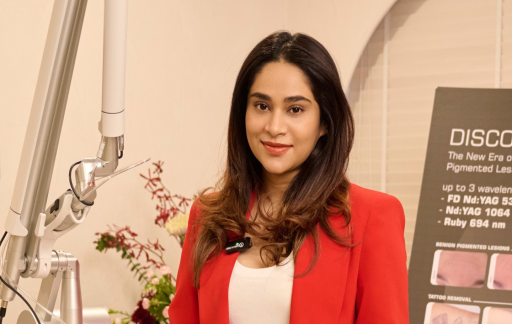
Patients seeking evidence-based adult acne management in West Hyderabad can visitDr. Showrya Gadde’s clinic in Kondapur. As a board-certified dermatologist (MBBS, MD Dermatology) with fellowship training in aesthetic medicine, Dr. Gadde conducts detailed diagnostic assessments to evaluate hormonal drivers, active acne severity, and post-acne hyperpigmentation—creating customized treatment plans that combine prescription medical care with safe, gentle clinical procedures tailored for Indian skin types.
Consultations can be scheduled via drshowryagadde.com or WhatsApp +91 7599741111.
Questions to Ask at Your Adult Acne Consultation
Prepare for your appointment by discussing these specific questions to ensure a clear, personalized treatment plan:
- “Is my adult acne driven by hormonal factors like PCOS or stress pathways?”Why it matters: Identifies whether internal medical evaluation or lifestyle adjustments are needed alongside topical skincare.
- “What steps are included in my treatment plan to prevent post-acne dark marks?”Why it matters: Confirms your protocol incorporates pigment-safe active ingredients (such as azelaic acid) to protect Indian skin from hyperpigmentation.
- “How long should I expect to stay on active prescription medications before seeing visible improvements?”Why it matters: Establishes realistic expectations, as medical acne therapies typically require 6 to 12 weeks to yield significant clinical results.
- “Are the proposed chemical peels or laser procedures safe for my Fitzpatrick skin type?”Why it matters: Verifies that procedures utilize conservative parameters designed to prevent thermal injury and post-inflammatory hyperpigmentation.
- “What non-comedogenic daily moisturizer and sunscreen should I use during active treatment?”Why it matters: Ensures your daily skincare products support barrier repair without clogging pores or triggering new breakouts.
Frequently Asked Questions (FAQs)
1. Why am I getting acne in my 30s when I had clear skin as a teenager?
Adult acne is primarily driven by hormonal fluctuations, stress-induced cortisol release, and altered sebum composition rather than teenage puberty dynamics. Hormonal shifts during adulthood can activate oil glands, leading to persistent U-zone breakouts even in individuals who never experienced teenage acne.
2. How long does it take for adult acne treatments to work?
Topical and oral medical acne therapies typically require 6 to 8 weeks of consistent use to demonstrate noticeable reductions in active breakouts. Fading post-acne dark marks or remodeling structural scars requires additional time, often taking 3 to 6 months of structured care.
3. Will using sunscreen make my adult acne worse?
Not if you select the correct formulation. Thick, heavy creams can clog pores, but lightweight, oil-free, non-comedogenic gel or fluid sunscreens providing broad-spectrum SPF 30–50 PA++++ protection shield healing skin without triggering new breakouts. Sunscreen is essential to prevent post-acne spots from darkening.
4. What is the difference between post-acne marks (PIH) and post-acne scars?
Post-acne marks (Post-Inflammatory Hyperpigmentation) are flat, dark brown discolored spots caused by excess melanin accumulation following inflammation. Post-acne scars (such as boxcar, ice pick, or rolling scars) are permanent textural indentations caused by dermal collagen loss. They require different treatment approaches.
5. Can facial threading or waxing trigger adult acne breakouts?
Yes. Mechanical hair removal techniques like threading or waxing can cause micro-trauma to hair follicles (folliculitis) or strip the epidermal barrier. This irritation allows surface bacteria to enter pores, triggering inflammatory pustules along the jawline and upper lip.
6. Are chemical peels safe for dark Indian skin tones?
Yes, when selected and performed by an experienced dermatologist. Gentle, superficial peels using salicylic, mandelic, or lactic acid are safe for Indian skin (Fitzpatrick Types III–V). They exfoliate dead skin cells and clear pore congestion without causing thermal injury or hyperpigmentation.
7. Can diet alone cure adult female acne?
While adopting a low-glycemic diet and reducing dairy intake can lower systemic inflammation and reduce breakout severity, diet alone rarely cures moderate-to-severe adult acne. Medical topical therapies and hormonal evaluation are usually required for complete control.
8. How do I schedule an adult acne consultation in West Hyderabad?
You can book an assessment with a board-certified dermatologist through official clinic contact channels. For instance, consultations at a specialized dermatology practice in West Hyderabad can be requested at drshowryagadde.com or via WhatsApp at +91 7599741111.
Final Thoughts: Prioritizing Comprehensive Medical Care
Navigating adult acne treatment in Hyderabad requires looking beyond quick cosmetic fixes or aggressive home scrubs. Because adult breakouts are tied to internal hormonal pathways, stress signals, and a sensitive skin barrier, achieving clear skin requires a patient, medical approach.
Focus on an evidence-based plan: use gentle non-comedogenic cleansers, apply dermatologist-prescribed active topicals, protect your skin daily with broad-spectrum sunscreen, and avoid squeezing active pimples. Partnering with a qualified skin specialist ensures your acne is treated safely while protecting your skin from dark marks and permanent scarring.

Dr. Showrya Gadde, MBBS, MD (Dermatology), is a board-certified dermatologist and fellowship-trained aesthetic clinician in Kondapur, Hyderabad. She is best known for pico laser, Cosmelan peel, Botox and acne scar treatments. Every treatment she offers is evidence-based and customised for Indian skin.