Table of Contents
How to Choose the Right Treatment for Acne Scars in Hyderabad: A Clinical Guide
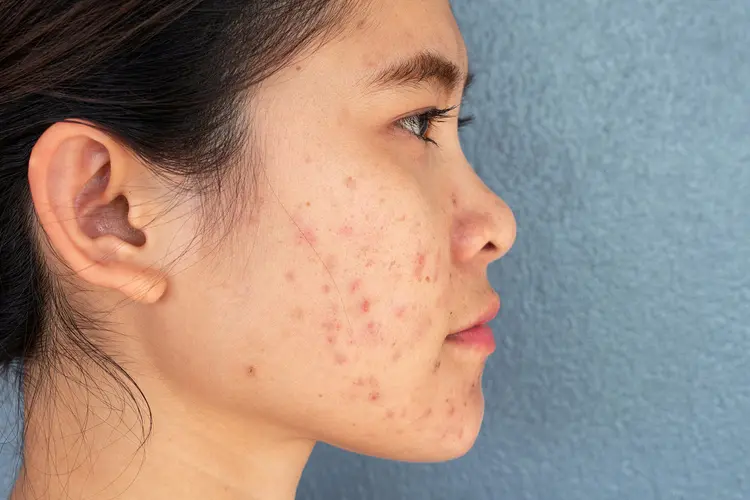
Post-acne scarring is an exceptionally common dermatological concern among Indian men and women, frequently causing persistent textural distress long after active breakouts have subsided. For patients navigating options across Telangana, learning how to choose the right treatment for acne scars requires understanding that acne scarring is not a single uniform condition.
A single face often presents a combination of narrow deep punctures, box-like depressions, rolling skin waves, and stubborn dark marks. Attempting to treat these varied scar architectures with a single laser or standard chemical peel frequently yields suboptimal results. Selecting an effective treatment requires matching specific scar sub-types with appropriate collagen-remodeling techniques, while taking into account the unique physiological characteristics of Indian skin.
What is Acne Scarring?
Atrophic acne scarring (ICD-10: L90.5) is permanent textural skin indentation caused by altered wound healing following inflammatory acne (ICD-10: L70.0). When deep dermal inflammation damages collagen bundles, the repair process either deposits insufficient new collagen (causing depressed atrophic scars) or pulls the epidermis downward via fibrous tissue bands attached to underlying fascial layers.
Types of Atrophic Acne Scars
Illustrative cross-sectional comparison of scar shape and depth
Ice Pick Scars
Narrow, deep, V-shaped pits that may extend into the deeper dermis.
Boxcar Scars
Round or oval depressions with distinct, steep edges and variable depth.
Rolling Scars
Broad, wave-like depressions often caused by fibrous bands tethering the skin below.
Understanding Skin Depth
Epidermis — Surface layer
The outermost layer of skin, above the main structural tissue.
Dermis — Structural layer
Contains collagen and other supporting tissue. Atrophic acne scars involve changes in this layer and may vary in depth.
Subcutaneous tissue — Deeper layer
Fat and connective tissue beneath the dermis; deeper scar tethering may involve structures in this region.
Clinical comparison
| Scar type | Typical morphology | Treatment consideration |
|---|---|---|
| Ice pick | Narrow opening, deep and tapered | Selected cases may benefit from focal techniques such as TCA CROSS or punch procedures |
| Boxcar | Sharply defined edges, shallow or deep base | Options may include microneedling, resurfacing, or punch elevation, depending on depth |
| Rolling | Broad, undulating surface with tethering | Subcision may be considered when fibrous bands contribute to the depression |
Why Does Acne Scarring Affect Indian Skin Specifically?
Selecting an appropriate scar resurfacing protocol requires considering the physiological traits of Indian skin. Complexions native to the Indian subcontinent typically fall between Fitzpatrick Scale Types III and V. This skin classification features a higher density of active melanocytes—the pigment-producing cells located along the basal layer of the epidermis.
Lighter Skin
Typically Fitzpatrick I–II
- Lower baseline melanin
- Generally greater susceptibility to sunburn
- PIH can occur, but may be less persistent or conspicuous in some individuals
Darker Skin
Often Fitzpatrick IV–VI
- Higher baseline melanin
- Greater natural protection against UV-induced redness and sunburn, but not complete protection
- Increased risk of noticeable or persistent PIH after inflammation or skin injury
When darker skin experiences thermal injury, deep mechanical friction, or aggressive laser vaporization, melanocytes can react to the trauma, leading to post-inflammatory hyperpigmentation (PIH). Consequently, aggressive ablative laser treatments commonly used on lighter skin types carry an elevated risk of causing prolonged darkening or secondary scarring in Indian skin.
Environmental and lifestyle factors in Hyderabad create specific considerations for scar management:
- High Ambient Solar UV Index: Hyderabad experiences elevated UV radiation throughout the year. Freshly treated skin exposed to sunlight without proper protection rapidly develops post-procedure hyperpigmentation.
- Humid Microclimates and Dust: Seasonal shifts during the hot summer and humid monsoon months trap atmospheric particulate matter and sebum in healing tissue, making gentle, non-ablative wound care essential.
- IT Corridor Stress Factors: Long hours in air-conditioned tech hubs in Gachibowli, Madhapur, and Kondapur impair skin barrier recovery and increase transepidermal water loss (TEWL), requiring structured post-procedure barrier support.
What Causes the Formation of Different Acne Scar Types?
The physical appearance of an acne scar depends on the depth of the initial inflammatory lesion, the degree of tissue destruction, and the body’s local structural repair response:
- Ice Pick Scars (V-Shaped Atrophic Scars): Deep, narrow depressions (less than 2 mm wide) that extend vertically into the deep reticular dermis or subcutaneous fat. They form when localized follicular infection destroys the entire pore column.
- Boxcar Scars (U-Shaped Atrophic Scars): Round or oval depressions with sharply demarcated, vertical edges. Shallow boxcar scars (0.1–0.5 mm deep) respond well to surface resurfacing, whereas deep boxcar scars (greater than 0.5 mm) require targeted focal reconstruction.
- Rolling Scars (M-Shaped Atrophic Scars): Wide depressions (greater than 4 mm) with slanted, gentle edges that create an undulating, wavy skin contour. They develop when fibrous anchoring bands tie the dermis to underlying subcutaneous tissue, pulling the skin surface downward.
- Hypertrophic and Keloidal Scars: Raised, firm pink-to-flesh-colored growths caused by excessive collagen synthesis during wound healing. They typically occur along the jawline, chest, and back.
- Post-Inflammatory Erythema (PIE) & Hyperpigmentation (PIH): Flat red, purple, or dark brown marks that remain after acne resolves. While often referred to as “flat scars,” PIE (vascular dilation) and PIH (melanin accumulation) represent color changes rather than true structural collagen loss.

How Do Different Acne Scars Look and Feel?
Recognizing the clinical features of your scar profile helps set realistic expectations for recovery and treatment timelines:
- Pinhole Indentations: Ice pick scars resemble deep, enlarged pores that do not change shape when the skin is gently stretched.
- Shadowed Indentations: Boxcar scars cast distinct shadows under overhead lighting due to their sharp, cliff-like vertical borders.
- Wavy Contour under Directional Light: Rolling scars become prominent under side-lighting, creating a wave-like texture across the cheeks and jaw.
- Tethering Test: When you gently stretch rolling scar tissue between two fingers, the depression remains bound down due to underlying fibrous bands.
- Discolored Smooth Patches: Post-acne PIH presents as smooth, flat dark marks without textural dips or raised bumps.
What Can Make Acne Scars Worse in Indian Skin?
Unintentional skincare mistakes and improper procedures can worsen scar depth or induce long-lasting pigment changes:
Acne Scar Prevention Checklist
Squeezing or picking active acne
Manipulating pimples can increase inflammation, damage surrounding tissue, and raise the risk of permanent scarring and post-inflammatory hyperpigmentation.
Inappropriate laser settings
Excessive or poorly selected laser energy can cause burns, prolonged inflammation, and pigmentary changes. Safety depends on the device, settings, skin type, and clinician expertise—not fluence alone.
Abrasive physical scrubs
Harsh scrubbing can irritate acne-prone skin, worsen inflammation, and compromise the skin barrier.
Skipping sun protection
UV exposure can darken post-acne marks and make discoloration last longer. Daily broad-spectrum sunscreen helps limit this risk.
Scar procedures before acne is controlled
Active inflammatory acne may increase the risk of new lesions and complications. Elective scar treatment is often planned after acne is reasonably controlled, although timing depends on the procedure and clinical assessment.
- Manual Squeezing or Picking Breakouts: Rupturing an inflamed acne lesion beneath the skin surface forces bacterial pathogens and sebum deeper into the dermis, increasing tissue destruction and structural scar depth.
- Overly Aggressive Ablative Lasers: Utilizing high-fluence, fully ablative CO2 lasers on dark skin without insulated cooling can burn adjacent tissue, triggering severe rebound PIH.
- Coarse Physical Exfoliation: Using abrasive walnut scrubs or harsh brushes over scar tissue irritates the epidermal barrier, triggering protective melanocytes without stimulating deep dermal collagen repair.
- Proceeding with Scar Resurfacing During Active Acne Outbreaks: Performing invasive micro-needling or laser resurfacing over active inflammatory pustules can spread bacteria, leading to secondary infections and new scars.
- Inadequate Post-Procedure Photoprotection: Exposing healing skin to solar radiation without broad-spectrum SPF 30–50 sunscreen causes UV-induced dark marks over newly forming tissue.
Step-by-Step Clinical Guide: Choosing the Right Treatment
To select an effective treatment plan, dermatologists evaluate the dominant scar morphology, depth, and skin phototype. Modern protocols often combine multiple approaches to address different scar types simultaneously:
Multimodal Acne Scar Management
Assess → Control → Treat → Maintain
1 — Diagnosis & Scar Mapping
- Identify ice pick, boxcar, rolling, and mixed scars.
- Assess scar depth, skin texture, active acne, and pigmentation.
- Consider Fitzpatrick skin type and personal history of post-inflammatory hyperpigmentation (PIH).
2 — Active Acne Control
- Use an individualized medical acne treatment plan.
- Reduce ongoing inflammation and the formation of new lesions.
- Establish gentle skincare and consistent sun protection.
3 — Multimodal Scar Repair
- Rolling scars: Subcision may help release fibrous bands tethering the skin.
- Ice pick scars: TCA CROSS or selected punch techniques may be considered.
- Boxcar and mixed scars: Microneedling, fractional laser, or fractional radiofrequency may be options depending on scar depth and skin characteristics.
4 — Maintenance & Prevention
- Continue an appropriate acne-prevention regimen.
- Use topical retinoids when suitable and prescribed or recommended by a clinician.
- Maintain broad-spectrum sun protection and monitor for new acne or pigmentation.
1. Step 1: Controlling Active Inflammatory Acne
Before initiating scar resurfacing, active acne must be stabilized using topical retinoids, benzoyl peroxide, or oral medications under medical supervision. Treating scars while new breakouts continue to form is inefficient and increases infection risks.
2. Step 2: Treating Rolling Scars via Subcision
- How It Works: A specialized cannula or tri-bevel needle is inserted horizontally beneath the skin surface under local anesthesia. The doctor gently maneuvers the instrument to sever the fibrous bands pulling the skin downward.
- Best Suited For: Rolling scars and tethered boxcar scars.
- Combination Benefit: Releasing the tethered tissue allows the skin surface to lift, creating space for new tissue formation.
3. Step 3: Treating Ice Pick Scars via TCA CROSS
- How It Works: Chemical Reconstruction of Skin Scars (CROSS) involves applying high-concentration Trichloroacetic Acid (TCA 70–100%) precisely to the base of ice pick scars using a micro-applicator.
- Best Suited For: Deep, narrow ice pick and small boxcar scars.
- Expected Reaction: A transient white frosting forms within seconds, stimulating localized collagen synthesis that gradually fills the narrow column from the bottom up.
4. Step 4: Resurfacing Boxcar Scars via Microneedling RF (MNRF)
- How It Works: Insulated gold-plated micro-needles penetrate the dermis at precise depths (0.5 mm to 3.5 mm), delivering controlled radiofrequency thermal energy directly to the target tissue without heating the epidermis.
- Best Suited For: Boxcar scars, generalized texture roughness, and enlarged pores in darker skin tones. [INTERNAL LINK: laser toning for pigmentation]
- Indian Skin Safety Advantage: Because radiofrequency energy is delivered beneath the skin surface through insulated needle shafts, the pigment-producing upper layer remains protected, significantly lowering the risk of PIH compared to traditional ablative lasers.
5. Step 5: Fractional CO2 or Erbium:YAG Laser Resurfacing
- How It Works: The laser creates microscopic thermal treatment zones (MTZs) in the skin, leaving surrounding tissue intact to promote rapid healing and stimulate new collagen production.
- Best Suited For: Widespread boxcar scarring and textural roughness.
- Clinical Protocol: On Fitzpatrick Types III–V skin, conservative density and fluence settings paired with pre-treatment skin priming creams are essential to ensure safe healing.
Comparison: Clinical Acne Scar Treatments for Indian Skin
The table below outlines common clinical modalities, their mechanisms, target scar types, PIH safety profiles, and typical recovery timelines:
| Treatment Modality | Mechanism of Action | Ideal Scar Indication | Risk of PIH in Indian Skin | Typical Protocol | Downtime & Recovery |
| Microneedling RF (MNRF) | Delivers insulated radiofrequency heat into the dermis to stimulate collagen. | Boxcar scars, rolling scars, texture roughness, enlarged pores. | Low (Insulated needles protect the epidermis). | 3–5 sessions, spaced 4–6 weeks apart. | 2–4 days of mild redness and light grid-like swelling. |
| Subcision (Cannula-Based) | Physically severs deep fibrous bands holding down skin tissue. | Rolling scars, deep tethered boxcar scars. | Low (Minimal epidermal disruption). | 2–4 sessions, often combined with MNRF or dermal fillers. | 3–7 days of localized bruising and mild tenderness. |
| TCA CROSS | High-concentration acid focal application to stimulate targeted collagen synthesis. | Deep, narrow ice pick scars and small boxcar scars. | Moderate (Requires precise application to prevent surrounding skin irritation). | 3–5 sessions, spaced 4–6 weeks apart. | 3–5 days of tiny dark scabs over treated spots. |
| Fractional CO2 Laser | Creates micro-thermal treatment zones to vaporize damaged tissue and stimulate collagen remodeling. | Boxcar scars, superficial texture irregularities. | Moderate to High (Requires low fluence settings and pre-treatment priming). | 3–5 sessions, spaced 6–8 weeks apart. | 5–7 days of redness, micro-crusting, and skin peeling. |
| Polynucleotides / Dermal Fillers | Injects hyaluronic acid or biostimulatory gels directly beneath depressed scars to lift tissue. | Isolated deep rolling or boxcar scars. | Very Low. | Single session; temporary duration (6–18 months). | 1–2 days of mild swelling at injection sites. |
When to Consult a Dermatologist in Hyderabad
While topical skincare supports general barrier health, structural acne scars involve dermal structural changes that require medical intervention.
CLINICAL EVALUATION PATHWAY
- Diagnostic Mapping: Assessing scar depths, shapes & skin phototype
- Custom Multi-Step Plan: Combining subcision, TCA CROSS, & MNRF
- Pre-Treatment Priming: Preparing skin with topical formulations
- Structured Aftercare: Barrier repair ointments & SPF 30-50 protection
Clinical Practice Highlight:
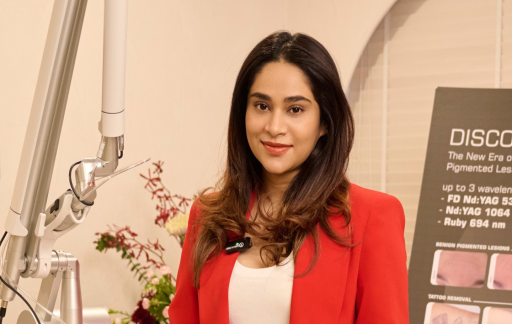
Patients seeking evidence-based acne scar management in West Hyderabad can visitDr. Showrya Gadde’s clinic in Kondapur. As a board-certified dermatologist (MBBS, MD Dermatology) with fellowship training in aesthetic medicine, Dr. Gadde performs detailed scar mapping to create tailored multi-step treatment plans—combining subcision, TCA CROSS, insulated Microneedling RF (MNRF), and Growth Factor Concentrate (GFC) therapies designed safely for Indian skin types. [INTERNAL LINK: GFC hair therapy]
Consultations can be scheduled via drshowryagadde.com or WhatsApp +91 7599741111.
Questions to Ask at Your Scar Resurfacing Consultation
Ensure safety, clarity, and realistic expectations by discussing these questions during your initial appointment:
- “What specific scar types do I have, and which modalities are recommended for each?”Why it matters: Confirms whether your treatment plan addresses your specific scar profile rather than applying a single uniform procedure.
- “Is the proposed radiofrequency or laser device US-FDA approved for dark skin tones?”Why it matters: Verifies that the technology incorporates safety controls designed for Fitzpatrick Types III–V skin.
- “Do I need pre-treatment skin priming creams before starting laser or peel sessions?”Why it matters: Using topical priming agents (such as azelaic acid or low-dose retinoids) for 2 to 4 weeks prior to procedures reduces melanocyte activity and lowers PIH risk.
- “What is the expected clinical improvement percentage after completing my treatment plan?”Why it matters: Helps set realistic expectations, as complete scar removal is rarely achievable, but a 50% to 80% improvement in texture is a realistic clinical goal.
- “What is the total estimated cost, including required follow-up sessions and post-procedure care?”Why it matters: Provides clear financial expectations for your complete treatment cycle without unexpected fees. [INTERNAL LINK: Hyderabad skin clinic]
Frequently Asked Questions (FAQs)
1. Can acne scars be removed completely?
While complete eradication is rarely possible, combining modalities like subcision, TCA CROSS, and MNRF can achieve a 50% to 80% improvement in scar depth and overall skin texture.
2. Is Microneedling RF (MNRF) safer than fractional CO2 laser for dark Indian skin?
Yes. MNRF delivers radiofrequency energy deep into the dermis through insulated micro-needles, protecting the top layer of skin (epidermis) from heat damage. This significantly reduces the risk of post-inflammatory hyperpigmentation compared to fully ablative or high-energy lasers.
3. How many sessions of subcision or MNRF are typically needed?
Most patients require 3 to 5 sessions spaced 4 to 6 weeks apart to allow new dermal collagen to form and mature between treatments.
4. How long does it take to see visible results from acne scar treatments?
While initial improvements in skin texture appear within 3 to 4 weeks, collagen remodeling is a gradual biological process. Optimal structural improvements typically develop over 3 to 6 months following your final session.
5. Why are my post-acne marks dark brown, and how are they treated differently from scars?
Flat dark marks represent Post-Inflammatory Hyperpigmentation (PIH)—an accumulation of excess melanin pigment rather than collagen loss. PIH is treated using topical depigmenting agents, low-fluence Q-switched laser toning, and mild chemical peels, rather than deep scar resurfacing.
6. Can I undergo scar resurfacing if I still get occasional pimples?
Occasional mild breakouts can be managed alongside scar treatments. However, if you have active, widespread inflammatory acne, breakouts must be controlled with medical treatment before starting invasive scar procedures to prevent infection and secondary scarring.
7. Is subcision painful?
Subcision is performed under local anesthesia, making the procedure comfortable. Patients may experience mild pressure during the treatment, followed by mild soreness and bruising for 3 to 7 days post-procedure.
8. How do I schedule a diagnostic scar evaluation in West Hyderabad?
You can book an assessment with a board-certified dermatologist through official clinic platforms. For instance, consultations at a specialized practice in West Hyderabad can be requested at drshowryagadde.com or via WhatsApp at +91 7599741111.
Final Thoughts: Prioritizing Custom Multimodal Care
Learning how to choose the right treatment for acne scars begins with understanding your unique scar profile. Because most patients present with a combination of ice pick, boxcar, and rolling scars, a single treatment is rarely sufficient.
Focus on a tailored, step-by-step approach: control active acne first, release tethered rolling scars with subcision, treat deep ice pick punctures with TCA CROSS, and refine overall texture using insulated MNRF or fractional lasers. Working with a qualified dermatologist ensures your skin barrier is protected while achieving long-term textural improvement.

Dr. Showrya Gadde, MBBS, MD (Dermatology), is a board-certified dermatologist and fellowship-trained aesthetic clinician in Kondapur, Hyderabad. She is best known for pico laser, Cosmelan peel, Botox and acne scar treatments. Every treatment she offers is evidence-based and customised for Indian skin.