
Table of Contents
Why Pigmentation Comes Back After Treatment in Hyderabad: A Clinical Guide
Dark spots, facial patches, and uneven skin tone are among the most frequent clinical concerns evaluated by skin specialists across Telangana. For many patients undergoing clinical procedures, understanding why pigmentation comes back after treatment can feel frustrating. It is common to see significant brightening following a course of chemical peels or laser sessions, only to notice dark patches returning months later—often in the exact same distribution across the cheeks, forehead, or upper lip.
This recurrence does not mean your initial treatment failed. Rather, it highlights a fundamental truth about human skin biology: hyperpigmentation disorders like melasma and post-inflammatory hyperpigmentation (PIH) are chronic, dynamic conditions rather than temporary surface blemishes. Managing pigmentation in Hyderabad requires understanding melanocyte memory, environmental exposure, hormonal triggers, and the unique characteristics of Indian skin.
What is Recurrent Facial Hyperpigmentation?
Recurrent facial hyperpigmentation, such as melasma (ICD-10: L81.1) or post-inflammatory hyperpigmentation (ICD-10: L81.0), is the re-accumulation of melanin pigment in the epidermis or dermis following clinical clearance. It occurs because hyperactive melanocytes (pigment-producing cells) remain in the skin, re-triggerable by ultraviolet radiation, high heat, hormonal fluctuations, or vascular inflammation.
                       MELANOCYTE REACTIVATION CYCLE
┌─────────────────────────────────────────────────────────────────────────┐
│  PRIMARY TRIGGERS: UV Radiation + High Ambient Heat + Hormones + PIH    │
└────────────────────────────────────┬────────────────────────────────────┘
                                     │
                                     ▼
┌─────────────────────────────────────────────────────────────────────────┐
│     Hyperactive Melanocytes in Basal Epidermis Produce Excess Melanin   │
└────────────────────────────────────┬────────────────────────────────────┘
                                     │
                                     ▼
┌─────────────────────────────────────────────────────────────────────────┐
│  Melanin Transported to Keratinocytes -> Visible Dark Patches Form      │
└────────────────────────────────────┬────────────────────────────────────┘
                                     │
                                     ▼
┌─────────────────────────────────────────────────────────────────────────┐
│  CLINICAL TREATMENT (Peels / Lasers / Topicals) Clears Surface Melanin  │
└────────────────────────────────────┬────────────────────────────────────┘
                                     │
                                     ▼
┌─────────────────────────────────────────────────────────────────────────┐
│  UNMANAGED TRIGGERS -> Melanocyte Memory Reactivates -> Pigment Returns  │
└─────────────────────────────────────────────────────────────────────────┘
Why Does Pigmentation Affect Indian Skin Specifically?
Understanding why pigmentation recurs requires examining the distinct physiological characteristics of Indian skin. Native complexions typically fall between Fitzpatrick Scale Types III and V. This skin classification features a high density of larger, highly active melanocytes located along the basal layer of the epidermis.
       LIGHTER SKIN                                                DARKER SKIN
  (Fitzpatrick I - II)                                        (Fitzpatrick III - V)
┌──────────────────────┐                                    ┌──────────────────────┐
│ • Lower Melanin      │                                    │ • Higher Melanin     │
│ • Higher Sunburn Risk│                                    │ • Lower Sunburn Risk │
│ • Lower PIH Risk     │                                    │ • High PIH Risk      │
└──────────────────────┘                                    └──────────────────────┘
While higher melanin production provides natural protection against photo-aging and skin cancers, it also makes the skin prone to hyper-reactivity. When exposed to microscopic trauma, thermal energy, or ultraviolet light, these active melanocytes synthesize melanin rapidly.
Several local environmental and lifestyle factors in Hyderabad contribute to pigment recurrence:
- High Year-Round Solar UV Index: Hyderabad experiences high UV indices throughout most of the year. Unprotected exposure—even for a few minutes daily—triggers melanocyte-stimulating hormone (MSH), reactivating underlying pigment synthesis.
- Intense Radiant Heat: Summer temperatures in Hyderabad frequently exceed 40°C. Studies show that infra-red radiation and ambient heat alone stimulate vascular expansion and melanogenesis, causing melasma to darken even when broad-spectrum sunscreen blocks direct UV rays.
- Urban Pollution and Particulate Matter: Fine particulate matter ($PM_{2.5}$) and polycyclic aromatic hydrocarbons common in urban traffic enter skin pores, generating oxidative stress that triggers pigment production.
- IT Sector Workplace Lifestyle: Long hours spent under bright artificial lights, high workplace stress, and continuous air-conditioning weaken the skin barrier, increasing transepidermal water loss (TEWL) and leaving skin susceptible to low-grade inflammation.
What Causes Pigmentation to Return After Treatment?
Pigment recurrence is rarely caused by a single factor. Clinical studies identify six primary mechanisms behind pigment return:
- Melanocyte “Memory” and Persistent Cellular Activity: Clinical procedures like chemical peels or Q-switched lasers remove existing melanin deposits stored in upper keratinocytes. However, they do not destroy the underlying melanocytes. The parent pigment cells remain in the basal layer, ready to resume rapid melanin synthesis when triggered.
- Dermal Melanin Incontinence (Pigment Depth): In deeper, mixed, or dermal melasma, melanin leaks through a disrupted basement membrane into the dermis. Here, specialized immune cells called melanophages engulf the pigment. Dermal melanin clears very slowly, often serving as a reservoir that darkens when surface layers clear.
- Uncontrolled Vascular Hyper-Reactivity: Research confirms that melasma is not purely a pigment disorder; it involves a vascular component. Dermal blood vessels beneath melasma patches are often larger and more numerous. These vessels release Vascular Endothelial Growth Factor (VEGF), which directly stimulates neighboring melanocytes.
- Hormonal Fluctuations: Estrogen and progesterone receptors are present directly on human melanocytes. Hormonal changes from oral contraceptives, pregnancy, thyroid dysregulation, or Polycystic Ovary Syndrome (PCOS) keep melanocytes primed to produce pigment.
- Post-Inflammatory Hyperpigmentation (PIH) from Over-Aggressive Care: Using overly aggressive laser settings, high-strength chemical peels, or harsh home scrubs causes thermal or mechanical injury. In Fitzpatrick Types III–V skin, this inflammation triggers protective melanocytes, causing rebound darkening that is often deeper than the original issue.
- Inadequate Photoprotection Against Blue Light: Standard sunscreens designed only for UVB (SPF) and UVA (PA ratings) may fail to block High-Energy Visible (HEV) blue light from solar radiation and digital screens. In darker skin tones, blue light penetrates into the deep dermis, generating persistent hyperpigmentation.
How Does Recurrent Pigmentation Look and Feel?
Recognizing the clinical characteristics of recurring pigment helps distinguish natural skin fluctuations from secondary complications like PIH:
- Symmetrical Facial Patches: Melasma typically reappears as brown, grayish-brown, or dark macules on the centrofacial region, cheekbones, bridge of the nose, or upper lip.
- Post-Acne Dark Marks (PIH): Flat, discolored spots appearing at sites of previous inflammatory acne, insect bites, or aggressive physical scrubbing.
- Shallow vs. Deep Appearance: Epidermal pigment appears sharp-bordered and dark brown under clinical lighting. Dermal pigment looks diffuse, ill-defined, and bluish-gray, making it harder to treat.
- Asymptomatic Surface: Recurrent hyperpigmentation is typically smooth and painless, without itching, scaling, or physical discomfort—unlike inflammatory skin conditions like eczema or contact dermatitis.
What Can Make Pigmentation Worse in Indian Skin?
Certain daily habits and environmental factors can unintentionally trigger rapid pigment recurrence in melanin-rich skin:
Pigmentation Prevention Checklist
Unprotected radiant heat
Repeated heat exposure, including near cooking flames or in saunas, may aggravate melasma in some people. Evidence varies, and heat is not a trigger for everyone.
Inadequate visible-light protection
UVA and UVB protection is important. For melasma and some darker skin tones prone to pigmentation, tinted sunscreen containing iron oxides may provide additional protection against visible light.
Abrasive home scrubs
Walnut scrubs, rough loofahs, and vigorous rubbing can irritate the skin and potentially trigger post-inflammatory dark marks.
DIY kitchen remedies
Raw lemon juice and baking soda can irritate the skin or disrupt its natural pH. Avoid using them as pigmentation treatments.
Inconsistent maintenance care
Stopping prescribed maintenance treatment or sun protection as soon as marks fade may allow pigmentation to recur. Follow a long-term plan tailored to your skin.
- Cooking Heat and Radiant Thermal Exposure: Spending extended time over hot stoves or open flames heats facial tissue. This thermal energy causes vasodilation, stimulating melanocytes even when working indoors.
- Aggressive Physical Exfoliation: Using coarse facial scrubs, loofahs, or facial brushes creates micro-injuries in the epidermis. This irritation triggers protective melanocytes, worsening post-inflammatory marks.
- Harsh Kitchen Remedies: Applying raw lemon juice, apple cider vinegar, or garlic to dark spots damages the skin’s protective acid mantle. Lemon juice contains psoralens, which react with sunlight to cause severe phototoxic burns and dark stains (phytophotodermatitis).
- Stopping Maintenance Regimens Early: Halting prescribed topical therapies as soon as surface spots fade allows underlying melanocytes to return to their baseline hyperactive state.
- Skipping Reapplication of Sunscreen: Applying sunscreen once in the morning does not provide all-day protection in hot, humid climates like Hyderabad. Sweat and facial oils break down protective filters within 2 to 3 hours.
Evidence-Based Management: Controlling Pigmentation in Indian Skin
Managing recurrent hyperpigmentation requires a multi-layered approach that combines daily medical skincare, photoprotection, and targeted in-clinic procedures.
Pigmentation Treatment Flow
Diagnosis → Skin preparation → Targeted treatment → Maintenance
Stage 1 — Diagnosis
- Clinical assessment of pigmentation patterns, medical history, and possible triggers
- Dermoscopy, when useful, to examine pigment patterns
- Wood’s lamp examination in selected cases; it has limitations, particularly in darker skin tones and mixed pigmentation
Stage 2 — Priming & Control
- Daily broad-spectrum sunscreen; consider tinted, iron-oxide-containing sunscreen for visible-light protection
- Clinician-selected topical agents that target melanin production, such as azelaic acid or other suitable tyrosinase inhibitors
- Gentle skincare to reduce irritation and support the skin barrier
Stage 3 — In-Clinic Treatment
- Carefully selected low-fluence laser treatment may be considered for specific diagnoses, including selected cases of melasma
- Superficial chemical peels may be appropriate for some patients
- Treatment settings and intervals should be individualized to minimize irritation, rebound pigmentation, and PIH
Stage 4 — Maintenance
- Continue sun protection and a consistent, gentle skincare routine
- Use non-hydroquinone topical maintenance options when clinically appropriate
- Arrange follow-up to monitor response and recurrence
1. Daily Broad-Spectrum Photoprotection
- Tinted Mineral Sunscreens: Formulated with Zinc Oxide, Titanium Dioxide, and Iron Oxides. Iron oxides are essential for blocking High-Energy Visible (HEV) blue light, which triggers melanocytes in Fitzpatrick Types III–V skin.
- Application Standards: Apply a full broad-spectrum SPF 30–50 PA++++ sunscreen every morning, and reapply every 2 to 3 hours during daylight hours or extended screen use.
2. Dermatologist-Prescribed Topical Therapies
- Tyrosinase Inhibitors: Topical formulations containing azelaic acid, kojic acid, arbutin, or tranexamic acid help regulate tyrosinase—the key enzyme responsible for melanin production.
- Topical Retinoids: Low-concentration retinoids increase cell turnover, helping clear melanin-laden keratinocytes while improving skin texture.
- Maintenance Formulations: Transitioning from short-term active agents (like hydroquinone, used strictly under medical supervision) to safe, long-term maintenance creams prevents rebound pigmentation.
3. In-Clinic Procedural Management
- Low-Fluence Q-Switched Nd:YAG Laser Toning: Delivers low-energy photo-acoustic pulses (1064 nm wavelength) to fragment excess melanin without generating excessive heat that could trigger thermal PIH. [INTERNAL LINK: laser toning for pigmentation]
- Superficial Chemical Peels: Utilizing gentle alpha/beta-hydroxy acids (mandelic, lactic, or low-concentration glycolic acid) to exfoliation damaged surface layers safely.
- Oral Adjunctive Therapies: In select cases of severe or recurrent melasma, a dermatologist may prescribe short courses of oral tranexamic acid to reduce vascular inflammation and melanocyte stimulation.
Comparative Analysis: Pigmentation Treatments in Indian Skin
The table below outlines common clinical procedures used for hyperpigmentation, how they work, their safety profiles for Indian skin, and typical recovery expectations:
| Treatment Category | Primary Mechanism | Best Suited For | Risk of PIH in Darker Skin | Typical Protocol | Downtime & Recovery |
| Q-Switched Nd:YAG Laser (Laser Toning) | Delivers low-fluence photo-acoustic pulses to break down melanin without thermal damage. | Dermal & epidermal melasma, sun tanning, post-acne dark marks. | Low (when using conservative low-energy settings). | 4–8 sessions, spaced 2–4 weeks apart. | Zero to minimal downtime; mild flushing for 1–2 hours. |
| Superficial Chemical Peels | Uses mandelic, lactic, or glycolic acids to exfoliate upper skin layers and speed cell turnover. | Epidermal melasma, active acne marks, dull texture. | Low to Moderate (depends on acid strength and skin priming). | 4–6 sessions, spaced 2–3 weeks apart. | 2–5 days of light, flaky peeling; strict sun protection required. |
| High-Fluence Ablative Lasers (CO2 / Erbium) | Uses thermal energy to vaporize damaged skin tissue. | Deep surgical scars, severe texture changes (rarely used for melasma). | Very High (frequently causes severe rebound PIH in darker skin). | 1–3 sessions, spaced months apart. | 7–14 days of crusting, redness, and mandatory isolation. |
| Topical Triple Combination Creams | Combines hydroquinone, a topical steroid, and a retinoid to suppress melanin synthesis. | Acute epidermal melasma flare-ups under direct doctor care. | Moderate (risk of rebound or ochronosis if used long-term). | Short course (6–8 weeks maximum under medical guidance). | No physical downtime; potential mild redness or dryness. |
| Medical Hydradermabrasion | Uses pneumatic fluid extraction and antioxidant infusion to clear pores and hydrate skin. | Superficial dullness, mild congestion, basic texture maintenance. | Very Low. | Monthly maintenance sessions. | Zero downtime; immediate skin hydration and glow. |
When to Seek Professional Dermatological Evaluation
While daily skincare helps support even skin tone, recurring or worsening dark patches warrant a comprehensive evaluation by a qualified medical specialist.
- Dermoscopic Examination: Assessing pigment depth and vascular state
- Wood’s Lamp Analysis: Distinguishing epidermal vs. dermal components
- Systemic Workup: Checking thyroid profiles and hormonal markers
- Tailored Protocol: Combining topicals, sunscreens & gentle procedures
Clinical Practice Highlight:
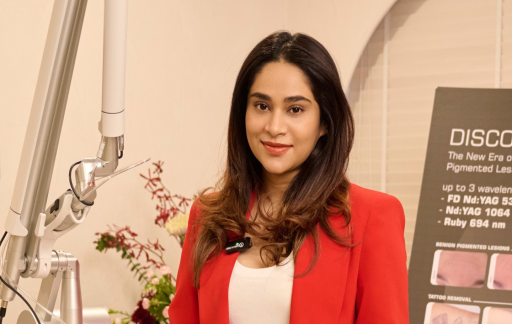
Patients seeking evidence-based management for stubborn or recurring pigmentation in West Hyderabad can visitDr. Showrya Gadde’s clinic in Kondapur. As a board-certified dermatologist (MBBS, MD Dermatology) with fellowship training in aesthetic medicine, Dr. Gadde conducts detailed diagnostic assessments using dermoscopy to evaluate pigment depth and vascularity, creating customized treatment plans that prioritize long-term skin health and safety for Indian skin types.
Consultations can be scheduled via drshowryagadde.com or WhatsApp +91 7599741111.
Frequently Asked Questions (FAQs)
1. Can melasma or hyperpigmentation be permanently cured?
Melasma is a chronic skin condition driven by genetics, hormones, and light exposure. While it cannot be permanently “cured,” it can be controlled effectively. Long-term management relies on consistent topical therapy, maintenance clinical procedures, and daily broad-spectrum sun protection.
2. Why did my pigmentation darken after I finished my laser treatment sessions?
Rebound hyperpigmentation typically occurs if the laser settings used were too high (causing thermal injury), if post-treatment sun protection was insufficient, or if maintenance topical creams were stopped abruptly. Lowering laser energy and using tinted mineral sunscreens helps manage this risk.
3. Does blue light from computer screens and smartphones really make pigmentation worse?
Yes. High-Energy Visible (HEV) blue light penetrates into the deeper layers of the dermis, stimulating melanocytes to produce melanin—particularly in Fitzpatrick Types III–V skin. Using tinted sunscreens containing iron oxides helps shield against blue light exposure.
4. Are chemical peels safe for darker Indian skin tones?
Yes, when selected and performed by an experienced dermatologist. Gentle, superficial peels using mandelic, lactic, or low-concentration salicylic acid are safe for Indian skin. High-concentration peels applied incorrectly carry a high risk of chemical burns and post-inflammatory hyperpigmentation.
5. How long can I safely use prescribed fading creams?
Strong prescription formulations containing hydroquinone or mild steroids should only be used under medical supervision for short periods (typically 6 to 8 weeks). Prolonged, unmonitored use can cause skin thinning, rebound darkening, or ochronosis (bluish-black pigmentation).
6. Can cooking heat worsen my facial melasma?
Yes. Radiant heat from stoves, ovens, or open flames causes facial blood vessels to dilate. This thermal stimulation releases inflammatory mediators that trigger neighboring melanocytes, causing melasma patches to darken even without direct sun exposure.
7. What is the difference between epidermal and dermal pigmentation?
Epidermal pigmentation resides in the upper skin layer, appearing dark brown with defined borders; it typically responds faster to topical treatments and peels. Dermal pigmentation sits deeper within the dermis, appearing bluish-gray with diffuse edges; it clears more slowly and often requires low-fluence laser toning.
8. How do I schedule a diagnostic evaluation for recurring pigmentation in Kondapur?
You can book a direct assessment with a board-certified dermatologist through official clinic platforms. For instance, consultations at a specialized dermatology practice in West Hyderabad can be requested at drshowryagadde.com or via WhatsApp at +91 7599741111.
Final Thoughts: Emphasizing Long-Term Control Over Quick Fixes
Understanding why pigmentation comes back after treatment shifts the focus from seeking temporary quick fixes to establishing sustainable, long-term skin care habits. Recurrence is a natural feature of melanocyte biology in melanin-rich skin, not a personal care failure.
Focus on a consistent, evidence-based approach: apply tinted broad-spectrum sunscreen daily, use dermatologist-prescribed topicals, manage heat exposure, and choose gentle, low-fluence clinical treatments. Partnering with a qualified skin specialist ensures your treatment plan protects your skin barrier and maintains a clear, healthy complexion over time.

Dr. Showrya Gadde, MBBS, MD (Dermatology), is a board-certified dermatologist and fellowship-trained aesthetic clinician in Kondapur, Hyderabad. She is best known for pico laser, Cosmelan peel, Botox and acne scar treatments. Every treatment she offers is evidence-based and customised for Indian skin.