Table of Contents
How to Remove Oily Skin Naturally: A Dermatologist’s Guide for Hyderabad Patients
Excessive facial oiliness—known clinically as seborrhea—is an exceptionally common concern among Indian women and men. Many patients frequently search for ways on how to remove oily skin naturally, seeking gentle, sustainable methods to control persistent shine, enlarged pores, and recurring acne breakouts.
While complete elimination of natural sebum is neither physiologically possible nor medically desirable, managing hyperactive sebaceous glands is entirely achievable. Achieving long-term balance requires understanding how skin physiology interacts with local environmental stressors, lifestyle factors, and proper topical care. This educational guide outlines the science of sebum production, the risks of popular home remedies, and evidence-based strategies for managing oily skin in Hyderabad.

What is Seborrhea (Oily Skin)?
Seborrhea (ICD-10: L21.9) is a dermatological condition characterized by hyperactive sebaceous glands producing excess sebum (skin oil). While sebum is essential for maintaining the epidermal barrier, overproduction leads to a greasy facial shine, enlarged pores, and clogged hair follicles, which significantly increases the risk of inflammatory acne vulgaris.
Sebaceous Gland Hyperactivity: Causes and Skin Effects
Sebaceous glands produce sebum, an oily substance that helps lubricate and protect the skin. Excess sebum production can contribute to oily skin and may play a role in acne development.
1. Factors That May Influence Sebum Production
- Hormones (Androgens): Androgens can stimulate sebaceous glands and increase sebum production.
- High Humidity: Humid conditions can make the skin feel oilier, although humidity alone does not necessarily increase sebum production.
- High-Glycemic Diet: Some research suggests that a diet with a high glycemic load may worsen acne in certain individuals.
- Stress: Stress may influence hormonal pathways and contribute to acne flare-ups in susceptible individuals.
2. Excess Sebum Production
Sebocytes, the cells within sebaceous glands, produce sebum. When excess oil combines with dead skin cells, it can contribute to pore blockage and acne formation.
3. Cosmetic Implications and Clinical Risks
| Cosmetic Implications | Potential Clinical Risks |
|---|---|
| Persistent Facial Shine: Excess oil can create a shiny appearance. | Clogged Pores: Oil and dead skin cells can contribute to comedones, including blackheads and whiteheads. |
| Enlarged Pore Appearance: Pores may appear more prominent when oil production is high. | Acne-Associated Bacteria: Cutibacterium acnes can contribute to inflammation within acne-prone follicles. |
| Makeup Instability: Excess oil may cause makeup to separate or wear off sooner. | Inflammatory Acne and PIH: Inflamed acne lesions may leave post-inflammatory hyperpigmentation, particularly in more pigmentation-prone skin. |
Why Does Oily Skin Affect Indian Skin Types Specifically?
Managing oily skin effectively requires taking into account the unique physiological traits of Indian skin. Complexions native to the Indian subcontinent typically fall between Fitzpatrick Scale Types III and V. This skin profile features larger, density-rich sebaceous glands alongside active melanocytes (the cells that produce pigment).
| Feature | Lighter Skin (Fitzpatrick I–II) | Darker Skin (Fitzpatrick III–V) |
|---|---|---|
| Melanin | Generally lower levels of melanin | Generally higher levels of melanin |
| Sunburn Risk | Higher tendency to burn with UV exposure | Lower tendency to burn, but sun damage remains possible |
| PIH Risk | PIH can occur, but may be less persistent in some cases | Greater tendency for PIH, which may be darker or longer-lasting |
When excess sebum combines with dead skin cells, pores become clogged. In Fitzpatrick Types III–V skin, the resulting inflammation often triggers post-inflammatory hyperpigmentation (PIH), leaving long-lasting dark spots even after an acne lesion has healed.
Several regional factors in Hyderabad directly accelerate oil production:
- Hot, Humid Summers and Monsoons: High ambient temperatures increase sebum secretion rates. Humidity prevents sweat and oil from evaporating efficiently, trapping environmental dust and atmospheric pollutants within pores.
- Intense Solar UV Index: Unprotected sun exposure damages the skin’s protective barrier. The skin often compensates for this moisture loss by producing additional oil, worsening post-sun glare and congestion.
- IT Corridor Workplace Stress: The tech-heavy lifestyle in areas like HITEC City, Gachibowli, and Kondapur involves long hours under artificial blue light, high occupational stress, and continuous air-conditioning. Elevated cortisol (the stress hormone) stimulates androgen receptors in sebaceous glands, triggering sudden oil surges and adult acne.
What Causes Excess Sebum Production?
Overactive oil glands rarely stem from a single source. Seborrhea is typically driven by a combination of internal physiology and external triggers:
- Hormonal Fluctuations: Circulating androgens (such as testosterone and dihydrotestosterone) directly regulate sebocyte activity. Hormonal shifts during puberty, menstrual cycles, pregnancy, or conditions like Polycystic Ovary Syndrome (PCOS) significantly increase oil output.
- High-Glycemic Dietary Patterns: Consuming refined carbohydrates, sugary beverages, and processed foods spikes blood insulin levels. Elevated insulin increases Insulin-like Growth Factor 1 (IGF-1), which stimulates oil gland enlargement and sebum production.
- Chronic Stress and Inadequate Sleep: High stress levels trigger the release of corticotropin-releasing hormone (CRH) and cortisol, both of which bind to oil gland receptors and increase lipid synthesis.
- Over-Washing and Aggressive Scrubbing: Using harsh soaps or alcohol-based astringents strips the skin’s protective lipid barrier. The skin responds to this dryness through rebound hyper-seborrhea, producing even more oil to restore moisture.
- Inappropriate Skincare Formulations: Thick, heavy creams or comedogenic oils (such as coconut or mustard oil) form an occlusive layer over pores, trapping sebum and accelerating inflammatory breakouts.
How Does Oily Skin Look and Feel?
Identifying the clinical features of seborrhea helps distinguish normal skin lubrication from pathological oil overproduction:
- Persistent Facial Shine: A noticeable, slippery sheen appears across the T-zone (forehead, nose, and chin) within 1 to 2 hours after cleansing.
- Visibly Enlarged Pores: Follicular openings on the nose, inner cheeks, and forehead expand to accommodate high sebum flow.
- Frequent Comedones: Open comedones (blackheads) and closed comedones (whiteheads) develop as trapped sebum hardens within pores.
- Rough, Uneven Skin Texture: Excess oil slows natural cell shedding, causing dead skin cells to accumulate and give the skin a dull, coarse feel.
- Makeup Instability: Foundation and cosmetics struggle to adhere, often oxidizing, clumping, or sliding off the skin quickly.
What Can Make Oily Skin Worse in Indian Skin?
Well-intentioned home care choices can inadvertently worsen oil production and trigger pigment changes. Common aggravating factors include:
Common Oily Skin Aggravators
Certain skincare habits and products may worsen irritation, contribute to clogged pores, or disrupt the skin barrier. Oily skin still needs gentle cleansing, moisturising, and sun protection.
Skincare Habits to Avoid
- Abrasive Scrubbing: Physical exfoliants, rough loofahs, and coarse scrubs may irritate the skin and aggravate inflammation.
- Kitchen Ingredients: Undiluted lemon juice, raw baking soda, and vinegar can irritate the skin and disrupt its natural pH balance.
- Potentially Pore-Clogging Oils: Heavy oils, including coconut oil, may contribute to breakouts in some acne-prone individuals. Product suitability varies by person.
- Harsh or Dehydrating Cleansers: Strong soaps and excessive washing can damage the skin barrier, causing dryness and irritation without necessarily reducing oil production.
- Skipping Sunscreen: Avoiding sunscreen can increase UV-related skin damage and may worsen existing post-inflammatory hyperpigmentation (PIH).
- Kitchen DIY Treatments: Applying raw lemon juice, apple cider vinegar, or baking soda disrupts the skin’s natural acidic pH (~4.5–5.5). This irritates the epidermal barrier, increases sensitivity, and can cause severe chemical burns or hyperpigmentation under the Indian sun.
- Heavy Hair Oils: Applying traditional hair oils and leaving them on overnight allows the product to migrate to the forehead and cheeks, causing stubborn acne cosmetica along the hairline.
- Abrasive Physical Scrubs: Coarse walnut or apricot scrubs create microscopic tears in the stratum corneum. This inflammation triggers protective melanocytes and aggravates underlying acne.
- Skipping Moisturizer and Sunscreen: Avoiding all topical products out of fear of added oil causes epidermal dehydration. The skin responds by producing excess sebum while remaining vulnerable to UV-induced pigmentation.
Evidence-Based Approach: How to Manage Oily Skin Safely
Controlling oily skin safely involves stabilizing sebaceous activity, supporting the skin’s moisture barrier, and protecting melanin-rich complexions from inflammation.
5-Step Daily Routine for Sebum Control
Oily Skin Care Routine: Cleanse, Balance, Treat, Moisturize, and Protect
A simple skincare routine can help manage excess oil, reduce clogged pores, and support the skin barrier. Choose products based on your skin’s sensitivity and acne concerns.
Step-by-Step Skincare Routine
1. Cleanse
Use a gentle gel cleanser to remove excess oil, sweat, and impurities. Salicylic acid may help unclog pores, while glycolic acid can help exfoliate the skin. Start with a basic gentle cleanser if your skin is sensitive.
2. Tone or Balance
An alcohol-free toner is optional. Niacinamide may help regulate the appearance of oiliness and support the skin barrier. A separate mist is not essential if your routine is already effective.
3. Treat
Salicylic acid can help with clogged pores and blackheads. Azelaic acid may help with acne and post-inflammatory hyperpigmentation (PIH). Introduce one active ingredient at a time to minimise irritation.
4. Moisturize
Choose a lightweight, non-comedogenic gel moisturiser. Ingredients such as hyaluronic acid can help attract and retain moisture.
5. Protect
Apply broad-spectrum SPF 30–50 sunscreen every morning. A lightweight, non-comedogenic formula with a matte finish may feel more comfortable on oily skin. Reapply as directed, especially outdoors.
- Step 1: Cleanse with Beta-Hydroxy Acids (BHAs): Wash your face twice daily using a gentle, sulphate-free gel cleanser containing 1% to 2% Salicylic Acid. Salicylic acid is lipophilic (oil-soluble), allowing it to penetrate deep into pores to dissolve trapped sebum and dead skin cells without stripping the skin surface.
- Step 2: Balance with Niacinamide (Vitamin B3): Apply a lightweight 2% to 5% Niacinamide serum. Niacinamide helps regulate sebum excretion rates, strengthens the lipid barrier, reduces inflammation, and prevents post-acne dark marks.
- Step 3: Hydrate with Oil-Free Gel Moisturizers: Choose non-comedogenic, water-based formulations containing Hyaluronic Acid, Glycerin, or Ceramides. Proper hydration satisfies the skin’s water needs, preventing compensatory oil overproduction.
- Step 4: Protect with Ultra-Light, Matte Sunscreens: Apply broad-spectrum SPF 30–50 sunscreens formulated with physical blockers (Zinc Oxide) or modern fluid filters offering PA++++ protection. Consistent sun protection prevents UV damage and lowers the risk of post-inflammatory hyperpigmentation.
- Step 5: Incorporate Mild Clay Masks Weekly: Use a purified Kaolin or Bentonite clay mask once a week. Clay minerals absorb surface oil and unclog pores without the micro-abrasions caused by physical scrubs.
When to Seek Professional Dermatological Care
While a consistent daily routine manages mild surface shine, persistent oiliness accompanied by cystic acne, enlarged pores, or dark marks warrants a formal evaluation by a medical doctor.
Dermatological Evaluation Pathway for Oily Skin and Acne
A dermatologist can assess persistent oiliness, clogged pores, acne, and pigmentation concerns to determine the most appropriate treatment. The evaluation depends on the severity of symptoms, medical history, and individual skin characteristics.
1. Medical Assessment
- Review the duration and severity of oily skin, acne, and pigmentation.
- Assess whether hormonal factors may be contributing.
- Consider signs of polycystic ovary syndrome (PCOS), such as irregular periods or excess facial hair, when clinically relevant. Hormonal testing is not necessary for everyone.
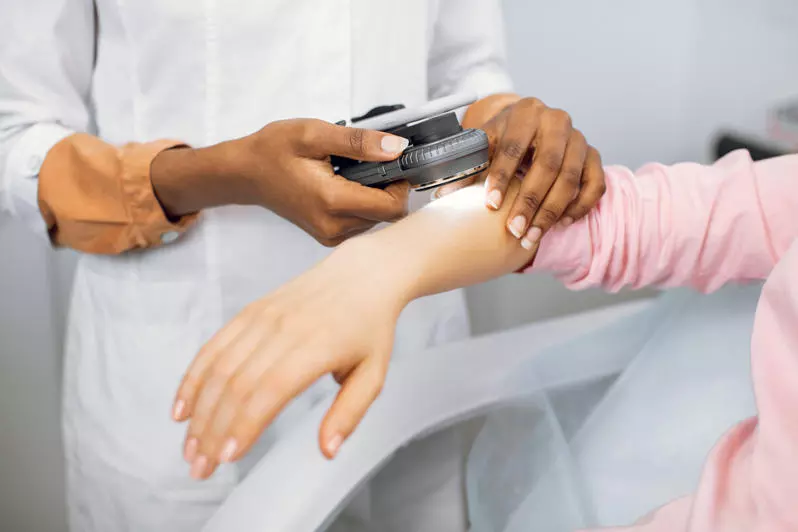
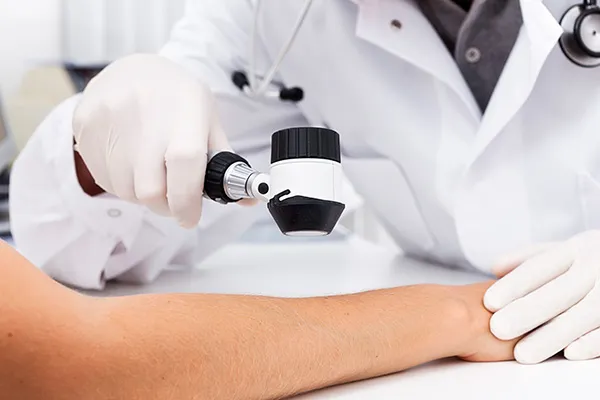
2. Skin Examination and Dermoscopy
- Examine pores, comedones, acne lesions, inflammation, and pigmentation.
- Use a dermatoscope when it may provide additional diagnostic information.
- Assess sebum-related concerns alongside other factors affecting skin texture and appearance.
3. Individualised Treatment Plan
Depending on the diagnosis, a dermatologist may recommend:
- Topical retinoids: To help manage clogged pores and acne.
- Azelaic acid: To address acne and post-inflammatory hyperpigmentation (PIH).
- Other prescription treatments: Selected according to acne severity, contraindications, and individual needs.
4. Advanced Procedures
- Chemical peels: May be considered for selected acne or pigmentation concerns.
- Laser and light-based treatments: May be appropriate in specific cases after assessment.
- Skin-of-colour considerations: Procedure selection and settings require care because irritation can trigger PIH, particularly in more deeply pigmented skin.
Clinical Practice Highlight:
Patients seeking structured care for persistent oiliness and acne in West Hyderabad can visit Dr. Showrya Gadde’s clinic in Kondapur. As a board-certified dermatologist (MBBS, MD Dermatology) with fellowship training in aesthetic medicine, Dr. Gadde provides comprehensive evaluations for sebum control and post-acne marks, offering evidence-based options such as medical-grade salicylic acid peels and targeted Q-switched Nd:YAG laser toning.
Consultations can be scheduled via drshowryagadde.com or WhatsApp +91 7599741111.
Comparison: Daily Home Management vs. In-Clinic Medical Options
The table below outlines how daily topical care compares with professional dermatological procedures for managing excess oil and enlarged pores:
| Management Approach | Active Modality | How It Works | Ideal Indication | Expected Outcome |
| Topical BHA Cleansers | Salicylic Acid (1–2%) | Penetrates oil-filled pores to dissolve sebum and exfoliate dead cells. | Mild T-zone shine, superficial comedones. | Temporary surface oil reduction within 1–2 weeks. |
| Niacinamide Serums | Vitamin B3 (2–5%) | Regulates lipid synthesis in sebocytes and supports barrier repair. | Daily oiliness, enlarged pore appearance. | Gradual shine reduction and improved texture over 4–8 weeks. |
| Salicylic / Mandelic Peels | Medical-Grade Hydroxy Acids (20–30%) | Delivers controlled exfoliation to clear deep pore congestion and reduce inflammation. | Moderate seborrhea, active acne, uneven texture. | Reduced oil output and smoother skin over 3–6 sessions. [INTERNAL LINK: laser toning for pigmentation] |
| Low-Fluence Laser Toning | Q-Switched Nd:YAG Laser (1064 nm) | Uses photo-acoustic energy to gently shrink hyperactive oil glands and break down dark marks. | Recalcitrant oiliness, enlarged pores, PIH in Indian skin. | Progressive sebum control and brighter skin over 4–6 sessions. [INTERNAL LINK: Hyderabad skin clinic] |
| Systemic Medical Therapy | Prescription Medications (e.g., Oral Retinoids) | Directly suppresses sebocyte proliferation and shrinks oil gland size under physician care. | Severe, treatment-resistant seborrhea, cystic acne. | Long-term suppression of sebum production under strict medical monitoring. |
Frequently Asked Questions (FAQs)
1. Can I permanently stop my face from producing oil using natural remedies?
No. Sebum is essential for skin health, providing antioxidant protection, maintaining barrier function, and keeping skin supple. The goal of treatment is to balance oil production to manageable levels rather than eliminate it completely.
2. Is applying lemon juice or baking soda safe for oily skin?
No. Raw lemon juice is highly acidic (pH ~2) and causes phytophotodermatitis—a severe reaction leading to dark stains when exposed to sunlight. Baking soda is strongly alkaline (pH ~9) and strips the protective acid mantle, worsening oiliness and inflammation.
3. Why does my skin feel oilier after I wash my face multiple times a day?
Washing your face more than twice daily strips away essential barrier lipids. Your skin responds to this artificial dryness through rebound hyper-seborrhea, producing extra oil to compensate for the lost moisture.
4. Which sunscreen finish is best for oily skin in Hyderabad’s humid climate?
Opt for gel-based, fluid, or matte-finish sunscreens marked “non-comedogenic.” Look for ingredients like Zinc Oxide or Silica, which help absorb excess oil while providing broad-spectrum UVA/UVB protection without clogging pores.
5. Does diet really affect how oily my skin gets?
Yes. High-glycemic foods (such as white bread, sugary snacks, and processed foods) spike insulin and IGF-1 levels, which directly stimulate oil gland activity. Eating a balanced diet rich in whole grains, green vegetables, and adequate water helps support stable oil production.
6. Are medical chemical peels safe for dark Indian skin tones?
Yes, when chosen and performed by a qualified dermatologist. Mild to medium-depth peels (such as salicylic, mandelic, or lactic acid) are safe for Fitzpatrick Types III–V skin. They clear pore congestion without causing thermal injury or hyperpigmentation.
7. How long does it take to see improvements in oily skin using a dermatologist-guided routine?
Surface shine often improves within 2 to 3 weeks of starting a BHA and niacinamide routine. Reductions in pore congestion, active acne, and overall oil balance typically become noticeable after 6 to 8 weeks of consistent care.
8. How can I book a diagnostic evaluation for persistent oily skin and acne in Kondapur?
You can schedule a consultation with a board-certified dermatologist through official clinic contact channels. For instance, appointments at a specialized practice in West Hyderabad can be requested at drshowryagadde.com or via WhatsApp at +91 7599741111.
Final Thoughts: Achieving Balanced, Healthy Skin
Learning how to manage oily skin naturally begins with respecting your skin’s underlying biology. Rather than trying to strip away natural oils with harsh scrubs or untested home remedies, focus on a balanced routine: gentle BHA cleansing, daily niacinamide, lightweight oil-free hydration, and consistent broad-spectrum sun protection.
If persistent shine continues to cause breakouts, enlarged pores, or dark marks, consult a qualified dermatologist. An individualized, evidence-based plan will help clear pore congestion, reduce excess shine, and keep your skin healthy and balanced.

Dr. Showrya Gadde, MBBS, MD (Dermatology), is a board-certified dermatologist and fellowship-trained aesthetic clinician in Kondapur, Hyderabad. She is best known for pico laser, Cosmelan peel, Botox and acne scar treatments. Every treatment she offers is evidence-based and customised for Indian skin.