Table of Contents
Top 10 Skin Specialists in Hyderabad: A Medical Guide for Patients
Navigating skin and hair health requires evidence-based medical care, particularly when searching for the top 10 skin specialists in Hyderabad. Skin conditions like recalcitrant melasma, post-inflammatory hyperpigmentation, cystic acne, and androgenetic hair thinning affect a high proportion of Indian men and women. Finding a qualified medical specialist across expanding hubs like Kondapur, HITEC City, Jubilee Hills, and Gachibowli is essential for safe, effective outcomes.
Selecting a skin care doctor is a significant health decision, not a cosmetic choice. Unqualified practitioners or uncalibrated aesthetic equipment can lead to severe side effects on darker skin tones, including permanent scarring, thermal burns, and worsening pigmentation. This comprehensive clinical guide outlines the essential medical qualifications, safety standards, and evaluation criteria needed to identify leading dermatological care in Hyderabad.
What Defines a Qualified Skin Specialist in Hyderabad?
A qualified skin specialist in Hyderabad is a medical doctor holding a postgraduate degree (MD, DNB, or DDVL) in Dermatology, Venereology, and Leprosy recognized by the National Medical Commission (NMC). Leading specialists possess expertise in treating Fitzpatrick Types III–V skin, utilize US-FDA approved technologies, maintain membership in professional bodies like the IADVL, and directly perform or supervise all clinical assessments and procedures.
Qualified Dermatology Practice
A qualified dermatology practice combines recognized medical credentials, patient safety protocols, and an understanding of individual skin needs and local environmental factors.
1. Professional Qualifications
- MBBS + MD/DNB in Dermatology: Look for a medical professional with recognized postgraduate training in dermatology.
- IADVL Membership: Membership in the Indian Association of Dermatologists, Venereologists and Leprologists indicates an association with the professional dermatology community.
- Doctor-Led Care: Ensure diagnosis, treatment planning, and appropriate medical procedures are performed or supervised by a qualified medical professional.
2. Patient Safety Protocols
- Appropriate Medical Technology: Check whether devices have the necessary regulatory clearance or approval for their intended use.
- Patch Testing: Consider patch testing when clinically indicated, particularly when evaluating suspected allergic contact dermatitis.
- Sterility and Hygiene: Confirm that instruments, treatment areas, and infection-control procedures follow appropriate clinical standards.
3. Local Skin-Health Knowledge
- Fitzpatrick Skin Types III–V: Consider individual pigmentation characteristics and the risk of post-inflammatory hyperpigmentation (PIH), particularly when planning peels or laser treatments.
- UV Exposure and Humidity: Account for environmental factors that may influence sun protection, sweating, and certain skin concerns.
- Technology-Driven Lifestyles: Consider relevant lifestyle factors, including screen-based work, stress, sleep habits, and daily skincare routines.
Understanding the Indian Skin Context: Physiology, Climate, and Lifestyle
Evaluating the top 10 skin specialists in Hyderabad requires finding a consultant who understands the biological characteristics of Indian skin. Native Indian complexions generally fall between Fitzpatrick Scale Types III and V. This skin profile features larger, highly active melanocytes—the specialized cells in the basal layer of the epidermis that produce melanin pigment.
Lighter Skin vs. Darker Skin: Dermatology Considerations
| Skin Characteristic | Lighter Skin (Fitzpatrick Types I–II) | Darker Skin (Fitzpatrick Types III–V) |
|---|---|---|
| Melanin levels | Generally lower | Generally higher |
| Sunburn risk | Typically higher | Typically lower, but sunburn is still possible |
| Post-inflammatory hyperpigmentation (PIH) | Generally lower risk | Often higher risk following inflammation or skin injury |
| Treatment considerations | Assess sun damage, sensitivity, and individual skin concerns | Carefully assess pigmentation risks when selecting peels, lasers, and other procedures |
While higher natural melanin offers protection against premature photo-aging and severe sun damage, it also makes the skin sensitive to inflammation. Aggressive treatments, incorrect laser wavelengths, or harsh chemical peels can trigger post-inflammatory hyperpigmentation (PIH), causing stubborn dark spots that are difficult to treat.
Environmental and lifestyle factors in Hyderabad create specific challenges for skin health:
- High Year-Round UV Radiation: The city experiences elevated UV index levels throughout most of the year. Unprotected exposure triggers melasma (ICD-10: L81.1), tanning, and persistent post-acne marks.
- Seasonal Microclimates: Hot, humid summers followed by humid monsoons disrupt the skin’s natural moisture barrier. Excess sebum production traps environmental dust and atmospheric pollutants, clogging pores and causing flare-ups of inflammatory acne (ICD-10: L70.0).
- IT Corridor Stress Factors: Extended hours under artificial blue light, high workplace stress, irregular sleep schedules, and continuous exposure to indoor air conditioning disrupt the cutaneous barrier, accelerating oxidative stress and hormonal acne.
A skilled specialist designs treatment plans tailored to these local climate and lifestyle factors to restore barrier health while minimizing pigmentation risks.
7 Essential Criteria for Evaluating Skin Specialists in Hyderabad
When researching clinical dermatology care, use these seven key medical standards to evaluate practitioners:
1. Verification of Recognized Medical Qualifications (MD vs. Uncertified Aesthetic Practitioners)
Confirm that the specialist holds a recognized postgraduate medical degree in dermatology registered with the State Medical Council or National Medical Commission:
- MD (Doctor of Medicine) in Dermatology, Venereology, and Leprosy
- DNB (Diplomate of National Board) in Dermatology
- DDVL (Diploma in Dermatology, Venereology, and Leprosy)
Be cautious of providers using broad titles like “cosmetologist,” “trichologist,” or “aesthetic physician” without an underlying MBBS and postgraduate medical degree in dermatology. Short certification courses do not substitute for rigorous residency training in skin pathology and clinical care. Active membership in the IADVL (Indian Association of Dermatologists, Venereologists and Leprologists) serves as an additional standard of professional standing.
2. Experience with Fitzpatrick Skin Types III–V
Skin care requires specialized approaches tailored to melanin-rich skin. Expert dermatologists adjust energy parameters—such as fluence, pulse duration, and contact cooling—when operating lasers to prevent thermal injury and hyperpigmentation in darker skin tones.
3. Utilization of US-FDA Approved Technologies
Aesthetic and therapeutic energy devices (lasers, radiofrequency systems, ultrasound platforms) are medical instruments. Established practices invest in equipment cleared by the US-FDA (United States Food and Drug Administration) or equivalent international bodies. Certified equipment delivers consistent energy safely, whereas uncertified, low-cost devices carry a higher risk of burns and tissue damage.
4. Direct Physician-Led Diagnosis and Procedure Delivery
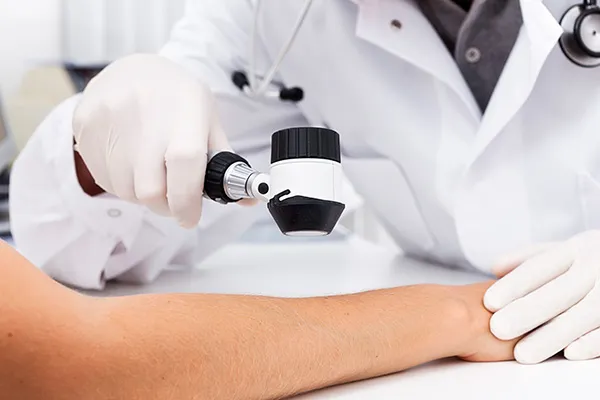
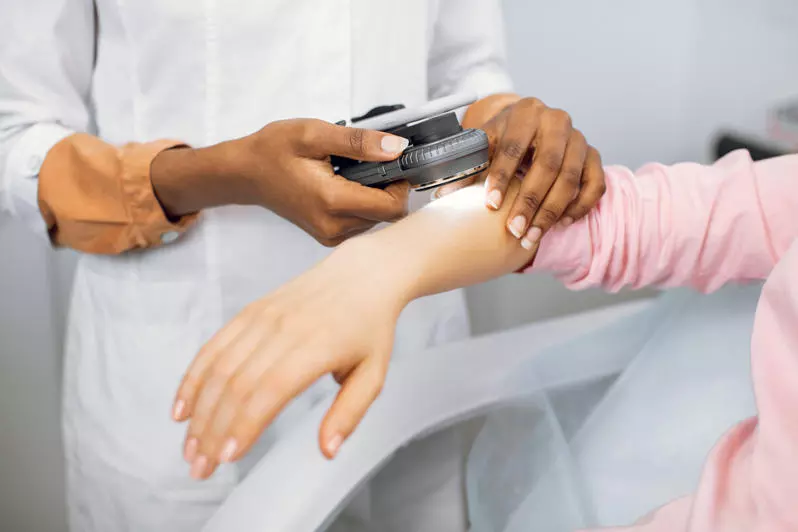
In an ethical medical practice, a board-certified dermatologist performs your initial evaluation, diagnostic examination (such as dermoscopy or Wood’s lamp analysis), and treatment planning. While trained clinical assistants may help during procedures under direct supervision, device parameter selection and advanced procedures should be managed directly by the doctor.
5. Standardized Patch Testing Protocols
Patient safety requires careful preparation before starting invasive procedures. Reputable specialists perform a patch test on a discrete area of skin before starting full-face laser toning or deep chemical peels to confirm tolerance and fine-tune treatment settings.
6. Evidence-Based Diagnostic Approach over Sales Packages
Avoid clinics that focus on selling standardized treatment packages before completing a thorough diagnostic evaluation. A proper consultation assesses medical history, hormonal status (such as evaluating for PCOS in women with adult acne), current skincare habits, and lifestyle factors before recommending specific procedures.
7. Patient Confidentiality and Comfortable Infrastructure
Dermatological care often involves sensitive personal concerns. A well-managed facility prioritizes private consultation rooms, strict sterile protocols, clear consent processes, and a supportive environment for all patients.
Clinical Practice Highlight:
Patients seeking evidence-based dermatological care in West Hyderabad can visitDr. Showrya Gadde’s clinic in Kondapur. As a board-certified dermatologist (MBBS, MD Dermatology) with fellowship training in aesthetic medicine, Dr. Gadde provides comprehensive management for medical skin conditions like melasma and acne, as well as advanced procedures including Growth Factor Concentrate (GFC) hair therapy and targeted laser toning.
Consultations can be scheduled via drshowryagadde.com or WhatsApp +91 7599741111.
What to Ask at Your Clinical Dermatology Consultation
Prepare for your consultation by asking these key questions to evaluate the quality and safety of your care:
Dermatology Consultation Checklist
Use this checklist during your consultation to understand your diagnosis, treatment suitability, safety risks, and expected outcomes.
Before Starting a Dermatology Procedure
- Confirm the diagnosis: What is my exact clinical diagnosis, rather than just the symptom?
- Verify device suitability: Is the recommended device FDA-cleared or FDA-approved, as applicable, for this specific procedure and suitable for my Fitzpatrick skin type, particularly types IV–V?
- Clarify medical supervision: Will a qualified dermatologist perform or directly supervise the procedure?
- Understand potential risks: What side effects could occur, including post-inflammatory hyperpigmentation (PIH), burns, or scarring?
- Discuss expected sessions: How many sessions may be needed, and what results are realistic for my condition?
- Plan recovery: What is the expected downtime, and what post-procedure care should I follow?
- Review maintenance: Will I need maintenance sessions, ongoing skincare, or periodic follow-up appointments?
- “What is my specific diagnosis, and what are the underlying contributing factors?”Why it matters: Identifies the exact condition—such as distinguishing dermal melasma from post-inflammatory hyperpigmentation or hormonal acne from comedonal acne—so treatment targets the root cause.
- “Is the recommended laser or device US-FDA approved for Indian skin types?”Why it matters: Confirms the technology has undergone safety testing for darker skin tones.
- “Who will directly perform my procedure?”Why it matters: Ensures a qualified dermatologist manages device parameters and oversees your care, rather than delegating the treatment entirely to assistants.
- “Will a patch test be performed prior to full-session treatments?”Why it matters: Helps detect potential skin sensitivities and prevents adverse reactions like thermal burns or post-procedure darkening.
- “What is the expected timeline and realistic outcome for my treatment plan?”Why it matters: Establishes clear expectations, as medical skin conditions typically require several months of consistent care.
- “What post-procedure care and sun protection steps should I follow?”Why it matters: Proper post-treatment care—especially applying broad-spectrum sunscreen and avoiding direct heat—is vital to prevent hyperpigmentation in Hyderabad’s warm climate.
- “What are the total estimated costs, including required home care products?”Why it matters: Provides financial clarity so you can plan for complete treatment cycles without unexpected expenses.
Overview of Common In-Clinic Dermatological Management Plans
Standard clinical procedures follow structured, step-by-step care pathways:
Dermatology Treatment Pathway: Diagnosis to Maintenance
The dermatology care process may involve four stages, depending on the skin condition, treatment goals, and clinical assessment.
1. Diagnosis
- Clinical Examination: Assess the skin concern, symptoms, and medical history.
- Dermoscopy: Examine skin structures in greater detail when indicated.
- Laboratory Evaluation: Perform relevant tests when necessary to investigate specific conditions.
2. Preparation
- Priming Creams: Use prescribed topical products when appropriate before selected procedures.
- Skin Barrier Repair: Support the skin barrier with gentle cleansers and suitable moisturizers.
- Sun Protection: Use broad-spectrum sunscreen and follow sun-protective measures.
3. Treatment
- In-Clinic Procedures: Choose appropriate treatments based on the diagnosis and individual needs.
- Targeted Laser Treatments: Consider laser procedures when clinically indicated, accounting for skin type, device suitability, and pigmentation risks.
4. Maintenance
- Topical Regimen: Follow the recommended skincare or medication plan.
- Sun Protection: Maintain consistent protection against UV exposure.
- Periodic Reviews: Attend follow-up appointments to monitor progress and adjust treatment when necessary.
1. Hyperpigmentation & Melasma (ICD-10: L81.1) Protocol
- Step 1: Clinical Diagnosis: Evaluating pigment depth (epidermal, dermal, or mixed) using dermoscopy or Wood’s lamp examination.
- Step 2: Topical Priming: Applying prescribed topical agents (such as azelaic acid, kojic acid, or retinoids) for 2 to 4 weeks to stabilize melanocytes.
- Step 3: Photoprotection: Establishing a daily routine using broad-spectrum SPF 30–50 sunscreen with PA++++ protection to shield against UVA, UVB, and visible blue light.
- Step 4: In-Clinic Procedures: Utilizing low-fluence Q-switched Nd:YAG laser toning or mild chemical peels (glycolic, lactic, or mandelic acid) spaced 2 to 4 weeks apart. [INTERNAL LINK: laser toning for pigmentation]
- Step 5: Maintenance: Continuing topical care and sun protection to sustain results and reduce recurrence risk during high-UV summer months.
2. Acne & Post-Acne Scarring (ICD-10: L70.0) Protocol
- Step 1: Active Inflammation Control: Managing breakouts using topical retinoids, benzoyl peroxide, or oral medications under medical supervision.
- Step 2: Superficial Chemical Peels: Applying salicylic or mandelic acid peels to exfoliate clogged pores and reduce inflammation.
- Step 3: Scar Resurfacing: Treating residual scars with Microneedling Radiofrequency (MNRF), fractional CO2 lasers, or subcision for deep, tethered scars once active acne is controlled.
- Step 4: Collagen Remodeling: Allowing 3 to 6 months for new dermal collagen to develop and smooth skin texture.
3. Hair Thinning & Androgenetic Alopecia (ICD-10: L64) Protocol
- Step 1: Diagnostic Workup: Determining cause through scalp trichoscopy and blood panels (iron, ferritin, thyroid, vitamin D3).
- Step 2: Medical Therapy: Prescribing topical minoxidil, oral DHT blockers (when indicated), and targeted nutritional support.
- Step 3: Regenerative Therapies: Using Growth Factor Concentrate (GFC) or Platelet-Rich Plasma (PRP) injections to stimulate hair follicles. [INTERNAL LINK: GFC hair therapy]
- Step 4: Monitoring: Assessing reduction in shedding at 8–12 weeks, with visible density improvements typically observed after 4–6 months.
Comparative Guide: Common Dermatological Procedures
The table below outlines common clinical treatments, their mechanism of action, ideal candidates, and recovery timelines:
| Treatment Category | Mechanism of Action | Ideal Indication | Typical Protocol | Recovery & Downtime |
| Q-Switched Nd:YAG Laser (Laser Toning) | Delivers photo-acoustic energy to fragment melanin without damaging surrounding skin tissue. | Dermal melasma, sun tanning, post-acne marks, uneven tone. | 4–8 sessions, spaced 2–4 weeks apart. | Minimal downtime; mild redness for 1–2 hours. |
| Medical Chemical Peels | Uses alpha/beta-hydroxy acids to exfoliate damaged skin layers and accelerate cellular turnover. | Comedonal acne, superficial tanning, dull skin texture. | 4–6 sessions, spaced 2–3 weeks apart. | 2–5 days of light flaking; strict sun protection needed. |
| Microneedling RF (MNRF) | Combines insulated micro-needles with radiofrequency energy to stimulate deep collagen production. | Atrophic acne scars, enlarged pores, early skin laxity. | 3–5 sessions, spaced 4–6 weeks apart. | 2–4 days of mild redness and light swelling. |
| GFC / PRP Hair Therapy | Injects autologous growth factors derived from the patient’s blood to nourish dormant hair follicles. | Androgenetic alopecia, hair thinning, telogen effluvium. | 4–6 sessions, spaced 3–4 weeks apart. | Minimal downtime; mild scalp tenderness for 24 hours. |
| Fractional CO2 Laser | Creates microscopic thermal treatment zones to remove damaged tissue and stimulate deep collagen remodeling. | Deep ice-pick or boxcar acne scars, surgical scars, texture issues. | 3–5 sessions, spaced 6–8 weeks apart. | 5–7 days of redness, micro-crusting, and peeling. |
Frequently Asked Questions (FAQs)
1. How do I choose among the top skin specialists in Hyderabad for my concern?
Verify that the consultant holds an MBBS followed by an MD or DNB in Dermatology registered with the National Medical Commission. Look for practitioners who have experience treating Indian skin types (Fitzpatrick III–V), utilize US-FDA approved equipment, and provide physician-led care.
2. What is the difference between a cosmetologist and a board-certified dermatologist?
A board-certified dermatologist is a medical doctor who completed an MBBS followed by 3 years of postgraduate medical residency (MD or DNB) in skin, hair, and nail pathology. A “cosmetologist” may hold a non-medical diploma or certificate and is not legally qualified to diagnose skin diseases or prescribe prescription medications in India.
3. Why is US-FDA approval important for laser treatments on Indian skin?
US-FDA approval confirms that a device has undergone testing for safety and energy precision. Non-certified devices can deliver inconsistent heat energy, significantly increasing the risk of thermal burns and post-inflammatory hyperpigmentation on darker skin tones.
4. What is the average consultation fee for a dermatologist in Kondapur or HITEC City?
Consultation fees across West Hyderabad’s tech hubs generally range from ₹800 to ₹1,500, depending on the specialist’s experience, clinic location, and diagnostic infrastructure.
5. Can melasma be permanently cured by a skin specialist?
Melasma is a chronic pigmentation condition influenced by genetics, hormones, and sun exposure. While it cannot be permanently cured, it can be managed effectively through targeted topical treatments, low-fluence laser therapy, and daily broad-spectrum sun protection.
6. Are chemical peels safe for dark Indian skin tones?
Yes, when selected and administered by a qualified dermatologist. Mild to medium-depth peels (such as mandelic, lactic, or low-concentration salicylic acid) are safe for darker complexions. High-strength peels applied by untrained personnel carry a risk of chemical burns and persistent hyperpigmentation.
7. How many sessions are typically required for GFC hair loss therapy?
Most patients require an initial protocol of 4 to 6 sessions spaced 3 to 4 weeks apart. Maintenance sessions may be recommended every 3 to 6 months depending on individual response and underlying hair loss severity.
8. How can I schedule a direct consultation with a qualified dermatologist in West Hyderabad?
You can book a direct diagnostic appointment through official clinic platforms. For instance, Dr. Showrya Gadde’s practice in Kondapur schedules evaluations via drshowryagadde.com or WhatsApp at +91 7599741111.

Final Thoughts: Prioritizing Medical Expertise and Safety
Selecting a dermatologist among the options in Hyderabad requires looking beyond promotional claims. Prioritize medical credentials (MBBS, MD/DNB Dermatology), verified technology safety, and physician-led care to protect your skin from avoidable complications.
Schedule an initial diagnostic consultation to evaluate the practice firsthand. Pay attention to how thoroughly the doctor examines your skin, explains your diagnosis, and answers your questions. Choosing an ethical, evidence-based specialist ensures your skin and hair receive safe, effective, long-term care.

Dr. Showrya Gadde, MBBS, MD (Dermatology), is a board-certified dermatologist and fellowship-trained aesthetic clinician in Kondapur, Hyderabad. She is best known for pico laser, Cosmelan peel, Botox and acne scar treatments. Every treatment she offers is evidence-based and customised for Indian skin.