Table of Contents
What is a Dermatologist? A Complete Guide to Medical Skin Care in Hyderabad
Navigating healthcare choices for your skin, hair, and nails requires clear medical understanding, especially when asking what is a dermatologist. In rapidly expanding urban centers like Hyderabad—from the busy tech corridors of HITEC City, Gachibowli, and Kondapur to established residential districts—many individuals struggle to distinguish between a medically trained skin doctor and non-certified aesthetic providers.
Understanding the role of a dermatologist is essential because skin disorders like recalcitrant melasma, post-inflammatory hyperpigmentation (PIH), cystic acne, and telogen effluvium hair shedding are complex biological conditions. Skin is the human body’s largest organ, serving as a primary immune barrier. Entrusting its health to an uncertified practitioner can lead to misdiagnosis, thermal burns, permanent scarring, or worsening pigmentation. This comprehensive clinical guide explains the formal qualifications, diagnostic scope, and medical standards that define a qualified specialist in Hyderabad.

What is a Dermatologist?
A dermatologist is a licensed medical doctor who completes an MBBS degree followed by specialized postgraduate residency training (MD, DNB, or DDVL) in Dermatology, Venereology, and Leprosy. They are clinical experts trained to diagnose and treat over 3,000 diseases affecting the skin, hair, nails, and mucous membranes, as well as administer safe aesthetic procedures tailored to specific skin phototypes.
Formal Medical Education and Training for Dermatologists in India
Becoming a dermatologist involves completing a medical degree, obtaining postgraduate dermatology training, and developing the clinical skills required to diagnose and manage skin, hair, and nail conditions.
| Education Stage | Duration / Requirement | Main Focus |
|---|---|---|
| 1. Bachelor of Medicine (MBBS) | Typically 5.5 years, including the compulsory rotating internship | Human anatomy, physiology, pathology, pharmacology, and general clinical medicine |
| 2. Postgraduate Entrance and Admission | Qualify through the applicable national postgraduate admission process | Entry into a recognised postgraduate medical programme |
| 3. Postgraduate Dermatology Training | Typically 3 years for MD or DNB in Dermatology, Venereology and Leprosy; DDVL is a recognised diploma pathway | Diagnosis and management of skin, hair, nail, and sexually transmitted conditions |
| 4. Further Specialisation | Additional training or fellowships, depending on the programme | Advanced procedural dermatology, laser treatments, dermatosurgery, dermatopathology, or aesthetic medicine |
Clinical Areas Covered in Dermatology
| Medical and Clinical Care | Advanced or Specialised Practice |
|---|---|
| Inflammatory skin conditions, including acne and eczema | Procedural dermatology and selected laser treatments |
| Pigmentary disorders, including melasma | Dermatosurgery and selected cosmetic procedures |
| Hair and scalp conditions | Dermatopathology and diagnostic interpretation |
| Nail disorders and infections | Advanced aesthetic medicine techniques |
Why Does Dermatological Care Require Indian Skin Expertise?
Understanding what a dermatologist does requires examining how medical training applies to the distinct biological characteristics of Indian skin. Complexions native to the Indian subcontinent typically fall between Fitzpatrick Scale Types III and V. This skin classification features larger, highly active melanocytes—the specialized cells in the basal layer of the epidermis that produce melanin pigment.
| Feature | Lighter Skin (Fitzpatrick Types I–II) | Darker Skin (Fitzpatrick Types III–V) |
|---|---|---|
| Melanin Levels | Generally lower | Generally higher |
| Sunburn Risk | More likely to burn easily | May burn less easily, but sunburn is still possible |
| PIH Risk | Can develop after acne, irritation, or skin injury | May have a higher risk of noticeable or persistent PIH |
| Treatment Considerations | Sun protection and suitable treatment settings are important | Careful treatment selection can help reduce pigmentation complications |
While higher melanin density provides built-in protection against premature photo-aging and certain skin cancers, it makes the skin reactive to physical, chemical, or thermal trauma. When skin experiences inflammation from aggressive scrubs, incorrect laser settings, or unbuffered chemical peels, these melanocytes synthesize melanin rapidly. This reaction causes post-inflammatory hyperpigmentation (PIH), leaving dark, persistent marks that can last for months.
A qualified dermatologist evaluates treatment options through the lens of local climate and lifestyle factors specific to Hyderabad:
- High Ambient Solar UV Radiation: Hyderabad experiences elevated UV index levels throughout most of the year. Unprotected solar exposure activates melanocyte-stimulating hormone (MSH), driving conditions like melasma (ICD-10: L81.1) and facial tanning.
- Seasonal Humidity and Urban Dust: Hot, humid summers followed by monsoon microclimates increase sebum secretion. Excess oil traps atmospheric dust and industrial pollutants, causing comedonal acne (ICD-10: L70.0) and fungal skin infections.
- IT Sector Workplace Stressors: Long working hours under artificial blue light, shift-work fatigue, and continuous indoor air conditioning in corporate hubs like Madhapur and Gachibowli disrupt the skin barrier, triggering adult hormonal breakouts and sudden hair shedding.
What Causes the Need for Specialized Dermatological Care?
Skin, hair, and nail concerns stem from a combination of internal physiological triggers and external environmental factors:
- Inflammatory and Autoimmune Responses: Conditions such as psoriasis (ICD-10: L40), lichen planus, eczema (ICD-10: L30.9), and vitiligo (ICD-10: L80) develop when the body’s immune system mistakenly attacks healthy skin tissue, requiring precise medical diagnosis and systemic management.
- Endocrine and Hormonal Fluctuations: Circulating androgens and insulin spikes stimulate oil glands, leading to adult acne and acanthosis nigricans (ICD-10: L83). Fluctuations in estrogen during pregnancy or PCOS directly trigger facial melasma.
- Follicular and Scalp Pathology: Acute physical shock, post-viral fevers (like dengue or typhoid), or nutritional deficiencies shut down hair matrix cell division, causing acute telogen effluvium (ICD-10: L65.0).
- Environmental and UV Damage: Chronic exposure to solar ultraviolet radiation breaks down collagen and elastin, causing photo-aging, dark spots, and precancerous skin lesions.
- Infectious Pathogens: Fungal dermatophytosis (ringworm), bacterial folliculitis, and viral warts (ICD-10: B07) require specific anti-microbial prescription therapies rather than over-the-counter cosmetic creams.
What Does a Dermatologist Treat?
A board-certified dermatologist manages conditions across four major clinical areas:
- Medical Dermatology: Diagnosing and treating chronic skin diseases, including eczema, psoriasis, rosacea, acne, vitiligo, fungal infections, and autoimmune bullous disorders.
- Surgical Dermatology: Performing minor outpatient surgical procedures, such as mole removals, skin biopsy sampling, cyst excision, nail surgery, and scar subcision.
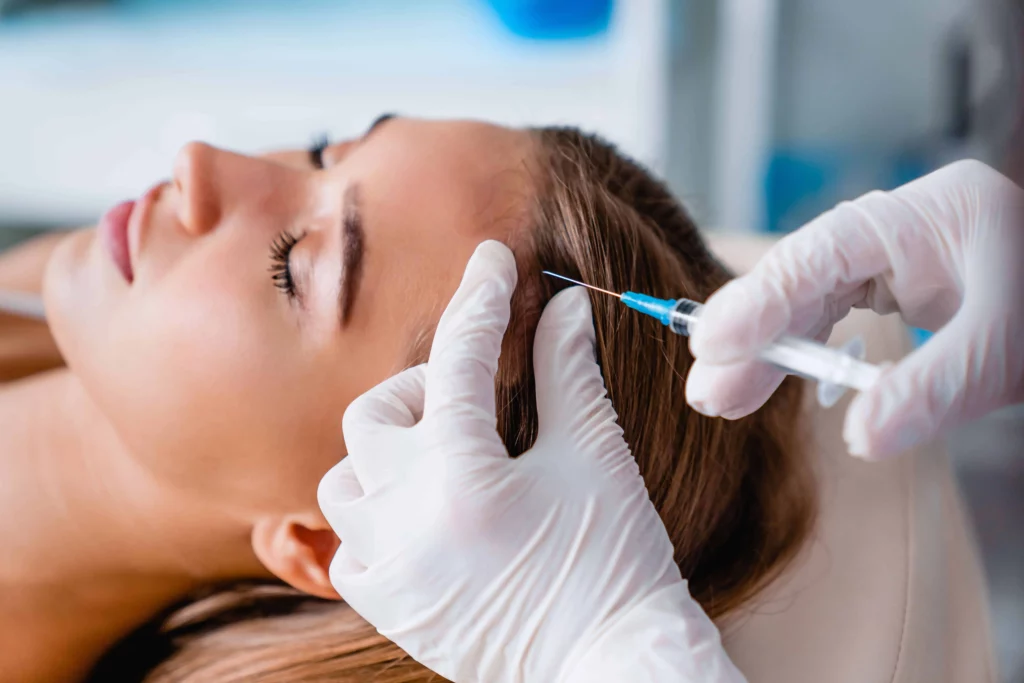
- Cosmetic and Procedural Dermatology: Utilizing energy-based devices (US-FDA cleared lasers, radiofrequency systems), medical chemical peels, and injectable treatments to manage acne scars, hyperpigmentation, and structural skin aging safely.
- Hair and Nail Pathology (Trichology & Onychology): Evaluating complex hair shedding, pattern baldness, scarring alopecias, and nail dystrophy using diagnostic tools like digital trichoscopy.
How Does a Dermatological Evaluation Look and Feel?
A medical skin consultation differs significantly from an aesthetic salon visit. Here is what to expect during a professional clinical evaluation:
Clinical Evaluation Steps in Dermatology
A structured dermatology evaluation helps identify the cause of skin concerns and guide an appropriate treatment plan. The tests and procedures required depend on the patient’s symptoms and clinical findings.
Dermatology Consultation Checklist
| Evaluation Step | Purpose |
|---|---|
| Medical history | Identifies possible triggers, medication effects, and relevant health factors |
| Dermoscopy | Provides a closer view of skin structures that may not be visible to the naked eye |
| Wood’s lamp | Offers additional information for selected pigmentary and infectious conditions |
| Diagnostic testing | Helps investigate conditions that cannot be confirmed through examination alone |
| Treatment planning | Matches treatment and skincare recommendations to the diagnosis and patient’s needs |
- Dermoscopic Examination: The dermatologist uses a handheld dermatoscope—a specialized magnifying tool with polarized light—to view subsurface structures in pigment patches, hair roots, and moles without breaking the skin.
- Wood’s Lamp Inspection: A trans-illuminating black light helps determine whether excess melanin sits in the upper layer of skin (epidermal melasma) or deeper within the dermis (dermal melasma), guiding treatment choices.
- Diagnostic Biopsy or Blood Panels: For unclear rashes or scarring hair loss, a small skin sample may be collected under local anesthesia for laboratory microscopic analysis, or blood tests ordered to check iron, thyroid, or hormonal levels.
- Structured Clinical Prescription: You receive a targeted medical prescription containing evidence-based active ingredients (such as azelaic acid, topical retinoids, or prescription antifungal agents) accompanied by clear guidance on barrier repair and photoprotection.
What Can Make Skin Conditions Worse Without Professional Care?
Self-diagnosing skin concerns or relying on untested home remedies can lead to avoidable complications:
Common Skincare Mistakes to Avoid
Some everyday skincare habits can irritate the skin, worsen inflammation, or increase the risk of pigmentation and scarring. Understanding these mistakes can help you protect your skin barrier and choose safer treatments.
| Common Mistake | Potential Risk | Safer Approach |
|---|---|---|
| Using OTC Steroid Creams Without Medical Advice | Prolonged or inappropriate use can cause skin thinning, visible blood vessels, and steroid-induced acne or rosacea | Use steroid creams only as directed by a qualified healthcare professional |
| Applying Harsh DIY Remedies | Raw lemon juice and baking soda can irritate the skin and may cause burns or pigmentation changes | Choose gentle, skin-compatible products with established safety profiles |
| Excessive Physical Scrubbing | Friction can damage the skin barrier, worsen inflammation, and trigger post-inflammatory hyperpigmentation (PIH) | Use a gentle cleanser and avoid aggressive scrubbing |
| Misidentifying Skin Lesions | Assuming a persistent or changing dark spot is harmless may delay diagnosis | Have new, changing, bleeding, or non-healing lesions assessed by a dermatologist |
| Squeezing Deep, Inflamed Acne | Can worsen inflammation and increase the risk of infection, dark marks, and scarring | Avoid picking or squeezing lesions; seek medical advice for painful or persistent acne |
- Unmonitored Over-the-Counter Steroid Use: Applying combination creams containing potent topical steroids without a prescription thin the epidermal barrier, causing skin atrophy, prominent red blood vessels (telangiectasias), and severe rebound steroid dermatitis.
- Kitchen DIY Treatments: Applying raw lemon juice, garlic, or baking soda damages the skin’s acidic mantle (~4.5–5.5 pH). Lemon juice contains psoralens that react with sunlight to cause severe phototoxic burns and dark stains (phytophotodermatitis).
- Vigorous Physical Scrubbing: Using coarse walnut scrubs or loofahs to “wash away” dark patches damages the stratum corneum, triggering protective melanocytes and worsening friction-induced post-inflammatory hyperpigmentation.
- Popping Inflamed Acne Lesions: Squeezing deep papules ruptures the hair follicle wall beneath the surface, spreading bacteria into the dermis and significantly increasing the risk of permanent atrophic acne scars.
Step-by-Step Clinical Approach: How a Dermatologist Manages Skin Care
A qualified specialist follows a structured, multi-step process to ensure safe, effective outcomes for Indian skin types:
Dermatology Treatment Process: Diagnosis to Maintenance
A structured skincare treatment plan involves identifying the skin condition, preparing and protecting the skin, selecting suitable treatment, and maintaining the results. The exact approach depends on the diagnosis and the patient’s skin characteristics.
| Stage | Key Steps | Purpose |
|---|---|---|
| 1. Diagnosis | Clinical examination, dermoscopy, or Wood’s lamp examination when appropriate | Assess the skin condition and help distinguish possible causes of pigmentation or other skin changes |
| 2. Skin Priming and Barrier Support | Prescribed topical products, moisturiser, and broad-spectrum sunscreen (SPF 30 or higher) | Support the skin barrier and prepare the skin for selected treatments |
| 3. Treatment | Suitable in-clinic procedures, medical treatments, or targeted laser therapy | Address the diagnosed condition using an appropriate treatment method |
| 4. Maintenance | Barrier-supporting skincare, sun protection, and non-hydroquinone products when appropriate | Help maintain improvement and reduce the risk of recurrence |
- Step 1: Clinical Diagnosis and Morphological Assessment: Identifying the underlying condition through physical examination, dermoscopy, and reviewing medical history.
- Step 2: Skin Barrier Stabilization and Pre-Treatment Priming: Preparing the skin with topical formulations (such as azelaic acid or low-dose retinoids) and broad-spectrum sunscreen for 2 to 4 weeks prior to procedures to calm melanocyte activity.
- Step 3: Medical and Procedural Intervention: Administering targeted treatments—such as prescription topicals, low-fluence Q-switched Nd:YAG laser toning, or superficial chemical peels (mandelic or salicylic acid)—tailored to your skin phototype.
- Step 4: Structured Post-Procedure Care: Providing soothing, non-comedogenic barrier repair creams and physical photoprotection to support healing without causing post-inflammatory dark marks.
- Step 5: Long-Term Maintenance and Monitoring: Transitioning to safe, long-term topical regimens and scheduling periodic reviews to sustain results and prevent recurrence.
Comparison: Board-Certified Dermatologist vs. Unqualified Practitioners
Understanding qualifications helps you choose safe, effective care. The table below outlines key differences between board-certified dermatologists, beauticians, and uncertified practitioners in India:
| Feature & Qualification | Board-Certified Dermatologist | Aesthetic Beautician / Salon Specialist | Uncertified “Trichologist/Cosmetologist” |
| Formal Medical Education | MBBS + MD / DNB / DDVL in Dermatology (8–9 years total medical training). | Vocational aesthetic diploma or short training course. | Non-medical certificate or short online diploma. |
| Medical Council Registration | Registered with National Medical Commission (NMC) & State Medical Council. | None (Cosmetic registry only). | None or non-medical registry. |
| Scope of Practice | Medical diagnosis, prescription drugs, minor surgery, laser procedures, pathology. | Surface facial massage, non-medical extractions, basic styling. | Over-the-counter advice; legally prohibited from writing medical prescriptions. |
| Management of Complications | Trained to diagnose and manage side effects, burns, infections, and allergic reactions. | Cannot manage medical complications; must refer out. | Limited ability to handle severe adverse reactions safely. |
| Equipment & Technology | Operates medical-grade, US-FDA cleared devices under strict safety protocols. | Uses basic cosmetic machines or non-medical aesthetic devices. | May use imported, non-certified clone devices lacking safety clearance. |
When to See a Dermatologist in Hyderabad
While a gentle, non-comedogenic daily routine supports general skin health, specific symptoms require prompt medical evaluation.
Clinical Evaluation Pathway: When to Consult a Dermatologist
| Warning Sign | Possible Concern | Recommended Action |
|---|---|---|
| Chronic Rashes | Persistent redness, itching, scaling, or burning may be associated with eczema, dermatitis, or psoriasis. | Consult a dermatologist if symptoms persist, recur, or worsen. |
| Pigmentation Changes | Dark patches on the face, neck, or skin folds may have several causes, including melasma or post-inflammatory hyperpigmentation. | Seek an assessment for new, unexplained, or progressive changes. |
| Severe Breakouts | Deep, painful acne nodules can increase the risk of dark marks and permanent scarring. | Seek medical advice early to discuss suitable treatment. |
| Sudden Hair Loss | Excessive shedding or circular bald patches may indicate an underlying hair or scalp condition. | Arrange a medical evaluation, especially for sudden or patchy hair loss. |
| Changing Moles | Changes in a mole’s size, shape, or colour, or bleeding, can be warning signs that need assessment. | Arrange prompt dermatological evaluation. |
Clinical Practice Highlight:
Patients seeking evidence-based medical and aesthetic dermatological care in West Hyderabad can visit specialized practices in Kondapur led by board-certified clinicians (MBBS, MD Dermatology). These clinics provide comprehensive care for medical conditions such as melasma, recalcitrant acne, and post-fever hair loss, offering advanced procedures including Q-switched Nd:YAG laser toning and Growth Factor Concentrate (GFC) therapy tailored specifically for Indian skin types.
Questions to Ask at Your Consultation
Prepare for your appointment by asking these key questions to evaluate the quality and safety of your care:
- “What is my specific medical diagnosis, and what are the root causes?”Why it matters: Confirms whether your condition is an inflammatory, hormonal, or infectious concern so treatment targets the underlying cause.
- “Are recommended energy devices or lasers US-FDA approved for Indian skin phototypes?”Why it matters: Verifies that technology has undergone rigorous clinical testing for safety on Fitzpatrick Types III–V skin.
- “Will a patch test be performed prior to full-face laser or chemical peel procedures?”Why it matters: Detects skin sensitivities early and helps prevent adverse reactions like burns or hyperpigmentation.
- “What is the expected recovery timeline, and what post-care steps are required?”Why it matters: Establishes clear expectations for downtime, sun protection, and barrier repair after procedures.
- “What maintenance regimen will help sustain my treatment results over time?”Why it matters: Ensures long-term skin health by establishing a safe daily routine after active procedures finish.
Frequently Asked Questions (FAQs)
1. What degree should I look for in a qualified dermatologist in India?
Look for an MBBS followed by an MD, DNB, or DDVL in Dermatology, Venereology, and Leprosy recognized by the National Medical Commission (NMC). Membership in professional bodies like the IADVL provides additional verification of professional standing.
2. What is the difference between a dermatologist and a cosmetologist?
A board-certified dermatologist is a medical doctor with 8 to 9 years of formal medical education legally authorized to diagnose diseases and prescribe medications. A “cosmetologist” or beautician typically holds a short non-medical certificate and focuses on surface cosmetic treatments.
3. Why is US-FDA approval important for skin laser treatments on Indian skin?
US-FDA approval confirms that an energy device has undergone clinical safety testing. On darker Indian skin tones (Fitzpatrick III–V), non-certified devices can deliver inconsistent heat, significantly increasing the risk of thermal burns and post-inflammatory hyperpigmentation.
4. Can a dermatologist help with hair loss and hair thinning?
Yes. Dermatologists are medical specialists in hair and scalp disorders (trichology). They evaluate hair shedding through trichoscopy and blood panels to diagnose conditions like Telogen Effluvium or Androgenetic Alopecia, prescribing targeted medical and regenerative therapies.
5. Are chemical peels safe when performed by a qualified dermatologist?
Yes. Medical-grade chemical peels using alpha/beta-hydroxy acids (mandelic, lactic, or salicylic acid) are safe for Indian skin when administered by a trained dermatologist. They clear pore congestion and fade surface pigmentation without damaging the epidermal barrier.
6. What is the typical consultation fee for a dermatologist in Hyderabad?
Consultation fees across private specialty clinics in Hyderabad generally range from ₹800 to ₹1,500, depending on the specialist’s experience, location, and clinic infrastructure. Procedure costs are billed separately after diagnosis.
7. How does a dermatologist treat melasma on dark Indian skin?
Dermatologists treat melasma using a combination of daily broad-spectrum tinted sunscreens (containing iron oxides), topical tyrosinase inhibitors (such as azelaic acid or kojic acid), and low-fluence Q-switched Nd:YAG laser toning to break down pigment safely without causing thermal injury.
8. How can I schedule a diagnostic consultation with a qualified skin specialist in Kondapur?
You can book a direct assessment with a board-certified dermatologist through official clinic platforms. Consultations at specialized practices in West Hyderabad can be requested through official websites or verified WhatsApp contact channels.
Final Thoughts: Prioritizing Formal Medical Expertise
Understanding what is a dermatologist highlights the importance of choosing formal medical expertise over quick cosmetic claims. Skin, hair, and nails are complex biological systems that require evidence-based diagnosis, gentle care, and proper safety standards—especially when treating melanin-rich Indian skin.
When addressing skin concerns, prioritize qualified doctors with MBBS and MD/DNB Dermatology credentials, verify device safety, and follow structured care protocols. Partnering with a board-certified specialist ensures your skin receives safe, effective treatment for long-term health and clarity.

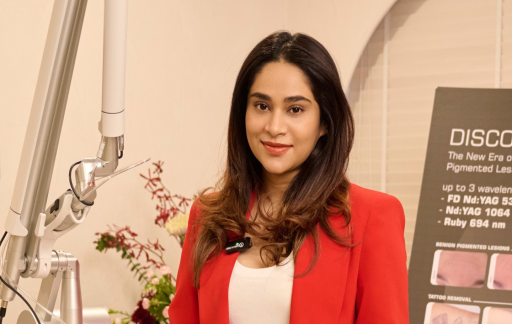
Dr. Showrya Gadde, MBBS, MD (Dermatology), is a board-certified dermatologist and fellowship-trained aesthetic clinician in Kondapur, Hyderabad. She is best known for pico laser, Cosmelan peel, Botox and acne scar treatments. Every treatment she offers is evidence-based and customised for Indian skin.